

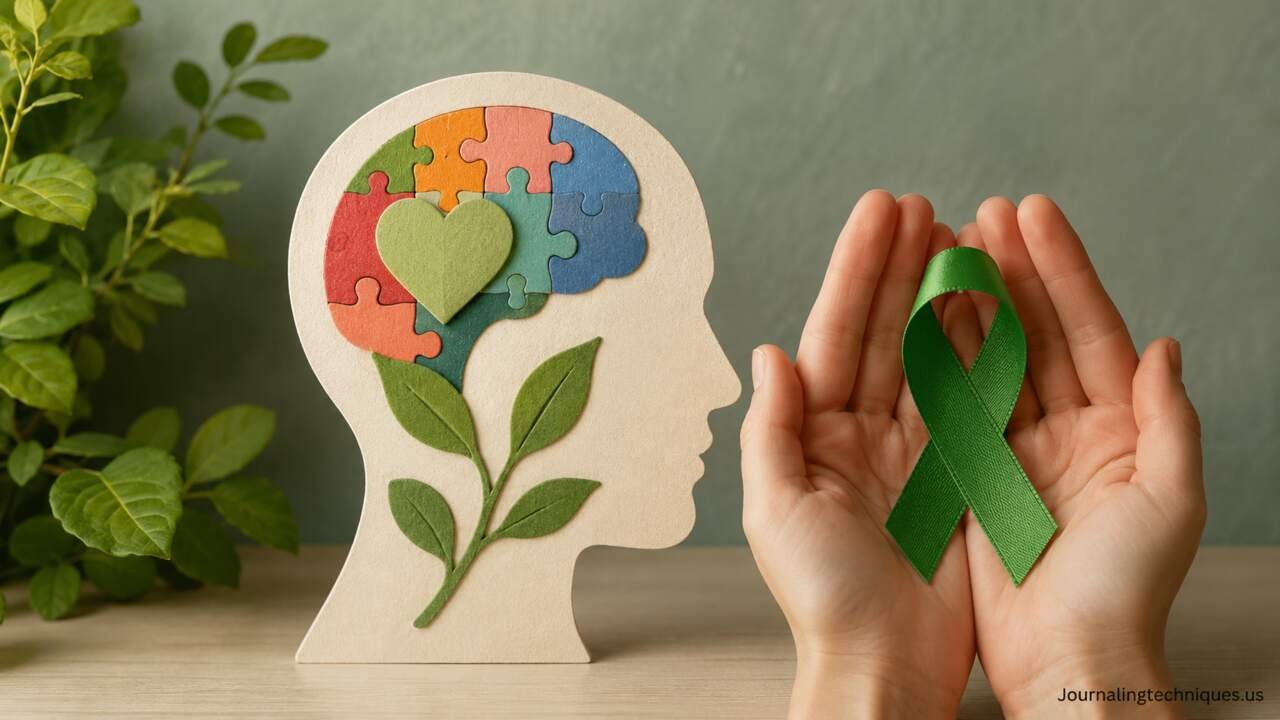
Mental health symbols play a major role in awareness campaigns, recovery communities, counseling organizations, healthcare systems, and public advocacy movements. A mental health symbol communicates support, healing, resilience, hope, and emotional well-being without requiring lengthy explanations. People use these symbols in tattoos, jewelry, social media campaigns, therapy programs, educational materials, and nonprofit initiatives to express solidarity and reduce stigma around mental illness.
A mental health symbol can represent different experiences such as anxiety, depression, trauma recovery, suicide prevention, emotional balance, and psychological strength. Some symbols are globally recognized, while others have become meaningful within specific communities or awareness movements. Understanding the meaning behind each symbol helps individuals choose the right representation for advocacy, self-expression, or educational purposes.
This guide explains the most recognized mental health symbols, their meanings, cultural significance, colors, uses, and how organizations and individuals apply them in mental health awareness efforts.
Recognize the Green Ribbon as the Universal Mental Health Awareness Symbol
The green ribbon remains one of the most recognized mental health awareness symbols worldwide. Mental health organizations, advocacy campaigns, hospitals, therapists, schools, and nonprofits frequently use the green ribbon to promote emotional wellness and encourage open conversations about psychological health.
Green represents renewal, hope, healing, and growth. Mental health advocates selected the color because it symbolizes recovery and the possibility of emotional improvement. Awareness campaigns often distribute green ribbons during Mental Health Awareness Month, suicide prevention events, and educational seminars.
Many institutions integrate the green ribbon into:
- Awareness posters
- Fundraising campaigns
- Educational brochures
- School mental health programs
- Employee wellness initiatives
- Therapy center branding
The green ribbon also supports anti-stigma movements. Individuals wear it to show support for people experiencing depression, anxiety disorders, bipolar disorder, PTSD, or other mental health conditions. In workplaces and schools, the ribbon encourages safer conversations about emotional struggles and treatment access.
| Symbol | Primary Meaning | Common Use |
| Green Ribbon | Mental health awareness | Advocacy campaigns |
| Green Heart | Emotional support and healing | Social media and messaging |
| Semicolon | Suicide prevention and continuation | Tattoos and recovery communities |
| Butterfly | Transformation and healing | Recovery symbolism |
| Lotus Flower | Inner peace and growth | Meditation and wellness programs |
Use the Semicolon Symbol to Represent Continuation and Survival
The semicolon symbol has become one of the most powerful mental health symbols associated with suicide prevention, depression recovery, and emotional resilience. The movement gained widespread recognition through Project Semicolon, an initiative encouraging people to continue their life stories despite emotional pain.
In grammar, a semicolon connects two related sentences instead of ending them completely. Mental health advocates adapted this meaning to represent a life that continues rather than stops. The symbol communicates survival, perseverance, and hope during difficult emotional periods.
People commonly use the semicolon symbol in:
- Tattoos
- Bracelets
- Recovery support groups
- Suicide prevention campaigns
- Social media awareness posts
- Therapy discussions
The semicolon especially resonates with individuals recovering from:
- Depression
- Self-harm
- Suicidal thoughts
- Anxiety disorders
- Addiction
- Trauma
Many survivors personalize semicolon tattoos by combining them with hearts, butterflies, flowers, or birds. These additions often symbolize freedom, healing, or personal growth after emotional hardship.
The symbol also helps reduce shame surrounding mental illness. Public visibility encourages conversations about treatment, therapy, medication, crisis support, and emotional resilience.
Incorporate the Butterfly Symbol to Express Transformation and Recovery
The butterfly symbolizes emotional transformation, healing, rebirth, and personal growth. Mental health professionals and wellness advocates often use the butterfly to represent recovery from trauma, anxiety, grief, or depression.
A butterfly undergoes a complete transformation from caterpillar to winged insect. This natural process reflects the emotional journey many people experience during therapy, recovery, and self-development. The symbol emphasizes that change takes time, patience, and care.
Butterflies frequently appear in:
- Counseling office artwork
- Wellness retreat branding
- Recovery journals
- Tattoo designs
- Meditation materials
- Trauma recovery programs
Different butterfly colors can carry additional meanings:
- Blue butterfly: calmness and emotional peace
- Purple butterfly: spiritual healing and resilience
- Yellow butterfly: optimism and hope
- Black butterfly: grief and transformation
Mental health campaigns sometimes pair butterflies with affirmations encouraging self-worth, recovery, and emotional healing. The symbol is especially common in youth mental health programs because it presents recovery in a gentle and approachable way.
Display the Lotus Flower to Emphasize Emotional Balance and Inner Peace
The lotus flower symbolizes purity, emotional balance, mindfulness, and spiritual growth. Mental health communities often connect the lotus with meditation, therapy, self-awareness, and healing from emotional difficulties.
A lotus flower grows through muddy water before blooming on the surface. This growth process symbolizes overcoming adversity and emerging stronger despite emotional hardship or difficult life circumstances.
Therapists, yoga instructors, mindfulness coaches, and wellness organizations frequently use the lotus in:
- Meditation classes
- Mental wellness branding
- Mindfulness workshops
- Stress reduction programs
- Holistic therapy materials
- Journaling exercises
The lotus is closely connected with mindfulness practices because it reflects calmness and emotional clarity. Individuals recovering from chronic stress or trauma often identify with the symbolism of rising above painful experiences.
Many tattoo designs combine the lotus with:
- Mandalas
- Semicolons
- Water elements
- Inspirational quotes
- Meditation imagery
The symbol also appears in digital wellness applications focused on stress management and emotional regulation.
Apply the Green Heart Symbol in Online Mental Health Support
The green heart emoji and symbol have become increasingly popular in digital mental health communication. Social media users, mental health advocates, and online communities use the green heart to express emotional support, compassion, solidarity, and encouragement.
Unlike formal awareness ribbons, the green heart works effectively in online conversations because it is simple, recognizable, and emotionally positive. People often include it in posts discussing:
- Therapy experiences
- Anxiety awareness
- Depression recovery
- Self-care reminders
- Suicide prevention resources
- Mental health advocacy
The green heart creates a visual association with emotional healing and compassion. Many campaigns encourage users to add green hearts to profiles, comments, and awareness hashtags during mental health awareness events.
Organizations also integrate the symbol into:
- Wellness apps
- Educational graphics
- Digital fundraising campaigns
- Community outreach initiatives
- Crisis support messaging
The rise of social media advocacy has made the green heart an important modern mental health symbol, particularly among younger audiences.
| Color | Emotional Association | Common Context |
| Green | Healing and recovery | Mental health awareness |
| Blue | Calmness and trust | Anxiety support |
| Purple | Strength and resilience | Trauma recovery |
| Yellow | Hope and positivity | Encouragement campaigns |
| White | Peace and emotional clarity | Mindfulness and wellness |
Integrate Awareness Symbols into Educational and Advocacy Campaigns
Mental health symbols help organizations communicate messages quickly and emotionally. Schools, healthcare providers, nonprofits, governments, and advocacy groups rely on recognizable symbols to increase awareness and improve public engagement.
Educational campaigns often combine symbols with:
- Statistical information
- Crisis hotline resources
- Self-care guidance
- Therapy information
- Inspirational messaging
- Community support services
Visual symbols improve campaign recognition because audiences remember images faster than text alone. Green ribbons, semicolons, and butterflies frequently appear on:
- Posters
- Websites
- Event banners
- Awareness merchandise
- Educational presentations
- Fundraising products
Schools use mental health imagery to encourage students to seek counseling support without fear of judgment. Employers integrate wellness symbols into employee assistance programs and stress-management initiatives.
Healthcare providers also use calming visual symbols in therapy spaces because imagery can reduce anxiety and encourage emotional openness.
Select Meaningful Tattoo Designs for Mental Health Expression
Mental health tattoos allow individuals to represent recovery, survival, emotional growth, or advocacy through permanent personal artwork. Symbolic tattoos often carry deeply personal meanings connected to therapy journeys, grief recovery, or resilience.
Popular mental health tattoo combinations include:
- Semicolon with butterfly wings
- Green ribbon designs
- Lotus flowers
- Heartbeat lines
- Birds representing freedom
- Minimalist healing symbols
People frequently choose small placements such as:
- Wrist
- Forearm
- Collarbone
- Ankle
- Finger
- Shoulder
Tattoo symbolism varies based on personal experiences. One individual may associate a butterfly with trauma recovery, while another connects it with anxiety management or emotional freedom.
Minimalist tattoo styles have become especially popular because they provide subtle yet meaningful expressions of mental health advocacy. Fine-line artwork, watercolor techniques, and geometric patterns are common design approaches.
Before choosing a tattoo, individuals often consider:
- Long-term meaning
- Visibility
- Cultural symbolism
- Artistic style
- Emotional significance
Professional tattoo artists sometimes specialize in recovery-themed designs that respectfully represent mental health journeys.
Encourage Open Conversations Through Mental Health Symbolism

Mental health symbols help normalize conversations about emotional well-being. Public awareness improves when people encounter supportive imagery in schools, workplaces, healthcare systems, social media, and community events.
Symbols reduce communication barriers because they create immediate emotional recognition. A semicolon tattoo or green ribbon can signal understanding and solidarity without requiring detailed explanations.
Mental health advocates use symbolic imagery to:
- Reduce stigma
- Promote therapy access
- Encourage peer support
- Normalize emotional discussions
- Increase crisis awareness
- Support recovery communities
Supportive symbolism also strengthens community identity. Individuals experiencing isolation may feel less alone when they recognize shared awareness symbols in public spaces or online communities.
Campaigns that combine storytelling with visual symbolism often achieve stronger engagement because symbols create emotional connection and memorability. Educational institutions and nonprofits increasingly use inclusive visual messaging to reach diverse audiences.
As mental health awareness expands globally, symbols continue evolving across digital communication, fashion, therapy practices, wellness culture, and public advocacy initiatives.
Conclusion
Mental health symbols provide powerful visual representations of healing, resilience, awareness, and emotional support. The green ribbon remains the most recognized symbol for mental health awareness, while the semicolon represents survival and continuation. Butterflies symbolize transformation, lotus flowers reflect emotional balance, and green hearts promote digital solidarity and compassion.
These symbols support advocacy campaigns, therapy communities, educational initiatives, and personal recovery journeys. They help reduce stigma, encourage open conversations, and strengthen emotional connection across communities. Whether displayed through tattoos, awareness events, social media, or wellness programs, mental health symbols continue playing an important role in promoting understanding and psychological well-being.
FAQ’s
The green ribbon is the most widely recognized symbol for mental health awareness. It represents healing, hope, recovery, and emotional support.
The semicolon symbolizes continuation and survival. It represents a decision to keep living despite emotional struggles, depression, trauma, or suicidal thoughts.
Green represents growth, renewal, healing, and balance. Mental health campaigns use green to communicate hope and emotional recovery.
A butterfly represents transformation, healing, personal growth, and emotional change during recovery from trauma, anxiety, or depression.
Yes. Many individuals choose tattoos such as semicolons, butterflies, lotus flowers, or green ribbons to represent resilience, survival, and emotional healing.
Yes. Awareness symbols encourage conversations about mental health, increase public understanding, and create supportive environments for people seeking help.
