

Cigarette odor inside a vehicle can linger long after the last puff, penetrating fabrics, vents, and even hard surfaces. For car owners, knowing how to get cigarette smell out of a car is essential not only for maintaining comfort but also for preserving resale value. Smoke molecules bond with upholstery fibers, cabin filters, and ventilation systems, making removal a detailed process rather than a quick fix. This guide explains step-by-step actions to eliminate smoke odors completely, restoring your car’s air quality and freshness.
Remove All Smoke-Contaminated Items from the Car
The first step to eliminate cigarette smell from a car is removing every source of contamination. Cigarette butts, ashtrays, wrappers, and even old air fresheners can trap and reemit the odor. By clearing out these elements, you create a clean slate for deeper treatments.
Thoroughly inspect under seats, inside glove compartments, and in cup holders. Smoke residue often clings to overlooked areas and small accessories like floor mats or steering wheel covers. Wash or replace removable items such as seat covers and floor mats, as these tend to absorb smoke particles over time.
Taking this foundational step ensures that subsequent odor-removal techniques can target embedded residues instead of active odor sources. It’s like resetting the air quality inside your vehicle, providing a better environment for cleaning agents and deodorizers to perform effectively.
Empty and Clean the Ashtray Completely
Ashtrays hold the most concentrated odor particles. Empty and wash them using baking soda or vinegar to neutralize odors at the molecular level. Replace built-in ashtray liners if they are beyond cleaning.
Discard Old Air Fresheners
Air fresheners often mix with smoke smell, creating a stale scent. Remove them before treatment, as they can mask rather than eliminate the odor.
Deep Clean All Car Surfaces
Once all debris is removed, focus on cleaning every surface inside the car. Smoke residue creates a sticky film known as “tar,” which coats dashboards, windows, and vinyl areas. This layer continuously releases odor molecules into the air.
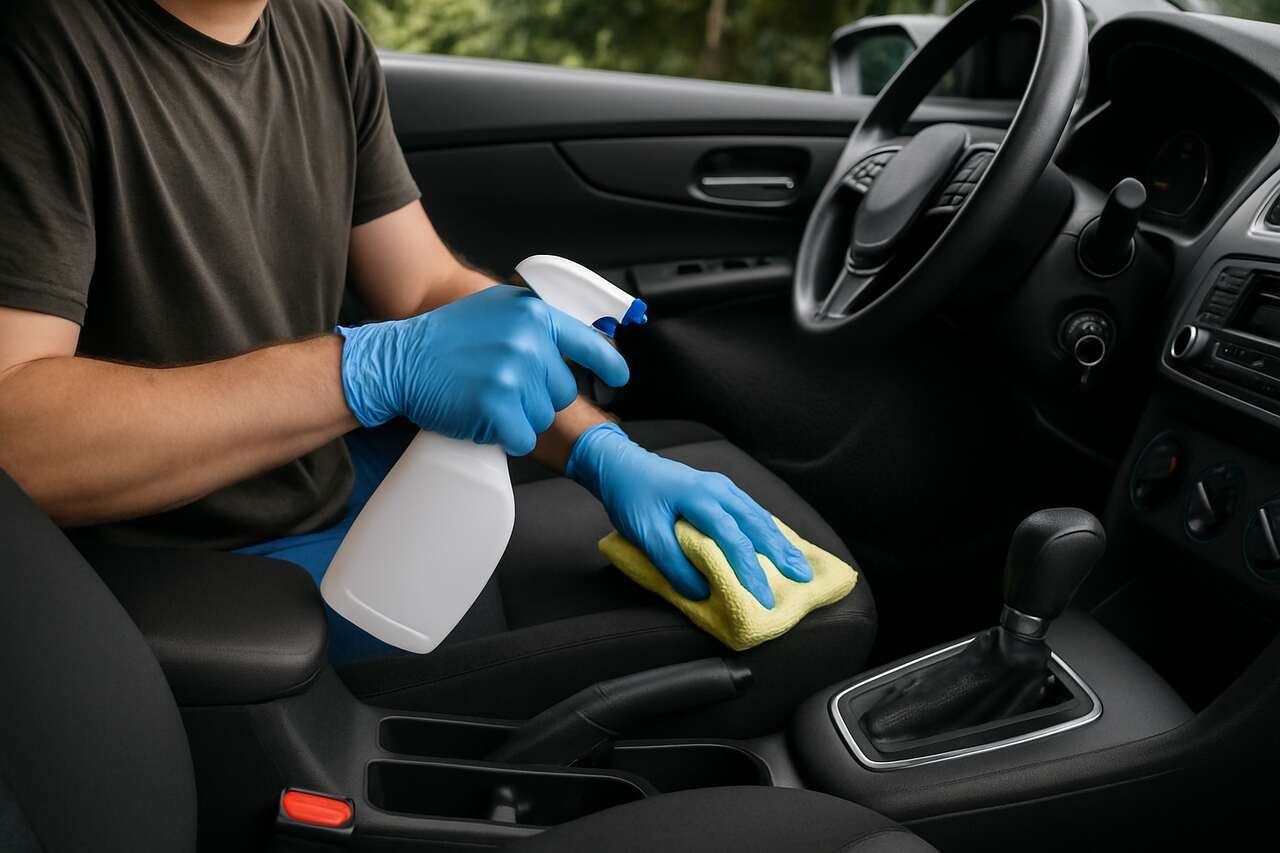
Use a mild all-purpose cleaner or a dedicated automotive interior cleaner. Wipe down hard surfaces with microfiber cloths to prevent scratches. Pay special attention to the steering wheel, door panels, and console, as these areas accumulate oils that bond with smoke residue.
A deep cleaning not only removes visible grime but also reduces the chemical presence of nicotine-based compounds. Consistent wiping with neutralizing solutions prepares the car for deodorization and ensures that no area continues to harbor lingering odor sources.
Use Steam Cleaning for Stubborn Residue
Steam cleaning helps dissolve tar and nicotine buildup that traditional wiping cannot remove. The high temperature breaks down residue and sanitizes surfaces effectively.
Clean Windows and Mirrors Thoroughly
Smoke leaves an invisible film on glass surfaces. Use a mixture of vinegar and water or a professional glass cleaner to restore transparency and prevent hazing.
Vacuum and Shampoo Upholstery and Carpets
Cigarette smoke easily embeds itself in porous materials like seats and carpeting. A deep vacuuming session removes surface ash, while shampooing extracts odor from deep fabric layers.
Use a vacuum with a HEPA filter for better air purification. Focus on seams, corners, and crevices where particles often accumulate. After vacuuming, use a fabric shampoo or upholstery cleaner suited to your car’s material type. Foam cleaners work well for fabric seats, while leather requires a pH-balanced cleaner and conditioner.
This step ensures odor molecules trapped in fabric fibers are neutralized rather than masked. Proper drying is critical; leaving moisture inside the car may lead to mildew, which creates additional unpleasant odors.
Apply Fabric Deodorizers
After shampooing, apply enzyme-based deodorizers that target organic odor compounds. These neutralizers work at a molecular level to dismantle smoke molecules.
Clean the Floor Mats Separately
Remove floor mats, vacuum both sides, and wash them with a baking soda solution or steam cleaner. Mats absorb smoke and hold it longer than most surfaces.
Purify the Car’s Ventilation System
The HVAC system often traps and redistributes smoke odors through air circulation. To get cigarette smell out of a car permanently, you must clean or replace the cabin air filter and disinfect the vents.
Begin by locating and replacing the cabin air filter, typically found behind the glove compartment. Filters saturated with nicotine and tar continuously reintroduce smoke particles into the air. Then, use an air-conditioning system cleaner or ozone spray treatment to clean the vents. Running the fan on high while spraying ensures full coverage.
This purification step prevents odor from returning when the ventilation system is in use. It also improves the overall air quality and eliminates fine smoke particles that regular cleaning cannot reach.
Replace the Cabin Air Filter
A clogged filter is often the main reason odors persist. Choose a carbon-activated filter for enhanced odor absorption.
Disinfect Vents with Cleaning Foam
Use a vent foam cleaner that expands and breaks down smoke residue inside ducts. Let it sit for 10–15 minutes, then run the fan to dry out the system.
Use Odor Neutralizers and Absorbers
Neutralizing odor compounds requires products that chemically interact with smoke molecules. Activated charcoal, baking soda, and ozone generators are among the most effective solutions.
Place activated charcoal bags or open boxes of baking soda inside the car overnight to absorb lingering odors. For more stubborn smells, use an ozone generator under professional supervision; ozone oxidizes and neutralizes organic molecules completely. However, it must be used carefully to avoid respiratory irritation.
Odor neutralization focuses on removing the molecular presence of smoke, not just its scent. Regular use of absorbents also prevents reaccumulation, maintaining a consistently fresh environment inside the car.
Deploy Charcoal Bags or Baking Soda
Charcoal bags work continuously to absorb odors. Place them under seats or in the trunk for lasting freshness.
Consider Professional Ozone Treatment
Ozone treatment can eliminate the deepest embedded smells but should only be done in a controlled setting with proper ventilation.
Refresh the Air with Natural and Synthetic Deodorizers
After cleaning and neutralizing, enhance the air with a fresh scent to restore the car’s environment. Use essential oil diffusers, natural sprays, or professional-grade car deodorizers.
Choose fragrances like lemon, eucalyptus, or pine, which neutralize rather than overpower odors. Avoid heavy artificial scents immediately after ozone treatment or deep cleaning, as they can interact chemically and create unpleasant mixes. Ventilate the car thoroughly before applying new scents.
Refreshing the air gives a psychological boost to the cleanliness of the vehicle, making it feel brand new. Consistent maintenance ensures that the smoke smell does not return over time.
Use Essential Oil Diffusers
Diffusers with natural oils such as lavender or citrus can purify and scent the air naturally, supporting respiratory comfort.
Apply Non-Aerosol Deodorizing Sprays
Use non-aerosol options to avoid adding chemicals that may interact with residual smoke compounds.
Maintain an Odor-Free Car Environment
Keeping the car smoke-free after cleaning requires continuous preventive measures. Establish habits that prevent new odor accumulation and preserve air quality.
Regularly clean the interior, replace air filters, and avoid smoking in the car. Even if smoking occurs outside, lingering smoke on clothes can reintroduce odor. Schedule a monthly interior wipe-down and place natural odor absorbers like charcoal or coffee grounds to maintain freshness.
Long-term odor prevention enhances not only comfort but also the car’s resale potential. A consistently fresh-smelling interior signals care, cleanliness, and value to future buyers or passengers.
Schedule Regular Interior Detailing
Professional detailing every few months helps preserve air freshness and detect early signs of odor buildup.
Keep Windows Open Occasionally
Allowing natural ventilation prevents air stagnation and dissipates minor odors before they embed into fabrics.
Comparison of Effective Odor Removal Methods
| Method | Primary Function | Best For | Duration Needed | Professional Help |
| Deep Cleaning & Shampooing | Removes residue and particles | Fabric & carpets | 2–4 hours | No |
| Cabin Filter Replacement | Cleans air circulation system | HVAC and vents | 30–60 minutes | Optional |
| Ozone Treatment | Neutralizes embedded smoke | Persistent odors | 1–2 hours | Yes |
| Activated Charcoal Bags | Absorbs residual odor molecules | Ongoing odor control | Continuous use | No |
| Steam Cleaning | Breaks down tar and nicotine | Hard surfaces & upholstery | 1–2 hours | No |
Quick Reference: Natural Odor Remedies
| Natural Ingredient | Function | Application Method |
| Baking Soda | Absorbs and neutralizes odor | Sprinkle & vacuum after hours |
| White Vinegar | Breaks down smoke residue | Spray diluted mixture on fabrics |
| Coffee Grounds | Masks and absorbs odor | Place in open container overnight |
| Lemon Juice | Freshens and deodorizes | Mix with water for spray use |
Conclusion
Getting cigarette smell out of a car requires patience, precision, and the right sequence of cleaning actions. From removing ash residue and deep-cleaning upholstery to replacing the cabin air filter and applying odor neutralizers, every step contributes to long-lasting freshness. The key is to eliminate smoke molecules at their source rather than covering them up. Once complete, maintain your car’s cleanliness regularly to prevent reabsorption of smoke particles. The result is a rejuvenated, pleasant-smelling interior that enhances comfort and vehicle value.
Explore more insightful and valuable content on our blog journalingtechniques! Stay updated with helpful tips, expert advice, and in-depth articles that enhance your knowledge.
FAQ’s
Depending on odor severity, full removal can take anywhere from a few hours to several days, especially if deep cleaning and drying are needed.
No, when performed properly, ozone treatment does not damage materials. However, it must be done carefully, as excessive exposure may affect rubber seals.
No. Air fresheners only mask the odor temporarily. Real removal requires cleaning, deodorizing, and filter replacement.
Replace it every 12,000 to 15,000 miles, or sooner if you detect persistent odors or poor air circulation.
Natural solutions like baking soda and vinegar work well for light to moderate smoke odors, while heavy contamination may require professional-grade products.
Prolonged exposure can discolor fabrics and degrade air quality, but with thorough cleaning, most damage can be reversed.
