







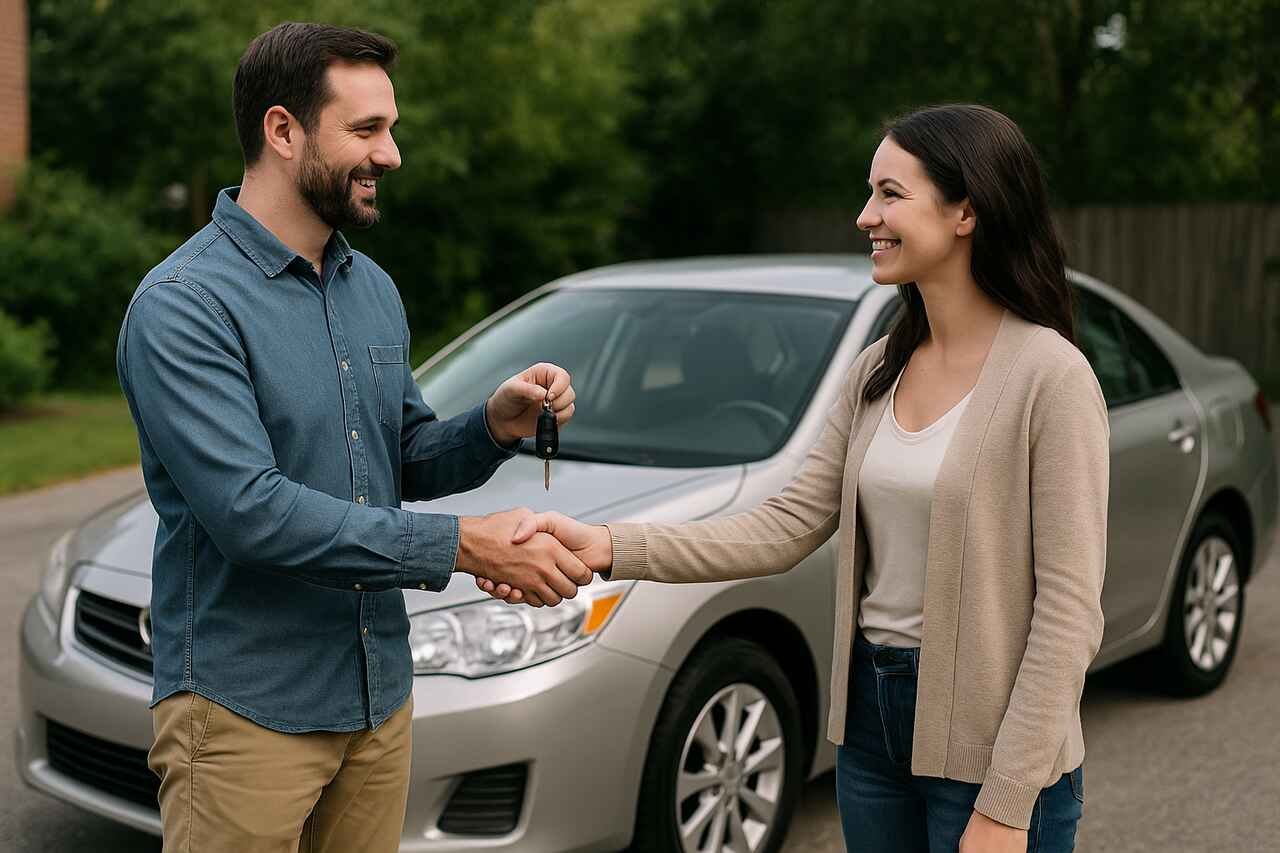
Selling a car privately allows you to earn more than trading it in at a dealership, but it requires careful preparation, paperwork, and negotiation skills. Understanding how to sell a car privately means mastering every detail from pricing and advertising to handling payment securely. This comprehensive guide will walk you through each step so you can confidently close the deal and get the best possible return for your vehicle.
Prepare Your Car for Sale
Before listing your car, you need to ensure it is in the best possible condition to attract buyers. A clean, well-maintained vehicle creates a positive first impression and can significantly increase its resale value. Inspect your car thoroughly, fix minor issues, and document its maintenance history.
Start by washing and waxing the exterior, vacuuming the interior, and removing all personal items. Repair small dents, replace worn tires, and top up essential fluids. The goal is to present a car that looks cared for and ready for a new owner. Gather maintenance records, service receipts, and warranty documents to build buyer confidence.
Finally, consider getting a pre-sale inspection from a certified mechanic. This report can serve as proof of your car’s condition and help you justify your asking price. Transparency in this stage sets the tone for a smoother sale.
Clean and Detail the Vehicle
A spotless car instantly attracts more attention. Use quality cleaning products for the paint, interior upholstery, and engine bay. Pay attention to details like shining the rims and cleaning the headlights. Professional detailing may cost a bit upfront but can increase perceived value by hundreds of dollars.
Gather Maintenance and Repair Records
Buyers trust sellers who provide proof of consistent maintenance. Collect all oil change receipts, service history reports, and major repair invoices. If available, print a summary of your vehicle’s Carfax or AutoCheck report to show transparency.
Determine an Accurate Asking Price
Setting the right price is critical when learning how to sell a car privately. A well-priced car attracts serious buyers quickly, while an overpriced one lingers on the market. Use online valuation tools to estimate fair market value based on make, model, year, mileage, and condition.
Consider visiting sites like Kelley Blue Book, Edmunds, or AutoTrader to get multiple estimates. Compare your vehicle to similar listings in your area to gauge competition. If your car has premium features, recent upgrades, or low mileage, you can justify a slightly higher price point.
Once you have determined the ideal range, set a realistic asking price slightly above your minimum acceptable offer. This allows room for negotiation without losing potential buyers.
Use Multiple Valuation Platforms
Relying on one pricing source is not enough. Check at least three platforms to get an average price range. Combine online tools with local classified listings to align your price with current market trends.
Consider Depreciation and Market Demand
Depreciation rates differ by vehicle type. SUVs and trucks may hold value longer than sedans. Research your model’s resale trend and seasonal demand. Convertibles sell better in summer, while 4WD vehicles attract buyers in winter.
Create an Effective Car Listing
Your listing is your first interaction with potential buyers, so it must be clear, attractive, and informative. Start with a compelling title that includes key details such as the make, model, year, and mileage. Write an honest and appealing description that highlights unique selling points.
Include high-quality photos taken in daylight from multiple angles including front, rear, sides, and interior. Capture close-ups of the dashboard, odometer, tires, and engine bay. Buyers often skip listings without photos, so visuals are essential.
Be transparent about any imperfections or past repairs. Honest descriptions attract genuine buyers and reduce haggling later. End your listing with a clear call to action and contact method.
Take High-Quality Photos
Use a smartphone or camera with good resolution. Photograph your car in an open, well-lit area. Clean backgrounds help the car stand out. Avoid filters or heavily edited images because authenticity builds trust.
Write a Compelling Description
Describe the car’s features in detail, including engine size, fuel type, transmission, interior materials, and technology. Mention new tires, recent maintenance, or upgrades such as a sound system. Always emphasize condition and benefits, not just specifications.
Advertise Your Car on the Right Platforms
Even the best listing needs visibility. Choose the right mix of online and offline channels to reach your target buyers. Online platforms like Facebook Marketplace, Craigslist, and AutoTrader are excellent for quick exposure, while local classifieds and word of mouth can work for community sales.
When advertising, prioritize accuracy and consistency. Use the same description, price, and photos across all platforms. Respond promptly to inquiries because delayed replies can make buyers move on to other listings.
Consider boosting your post or using paid promotions for premium placement. Targeted ads often reach serious buyers faster, especially for popular models or newer vehicles.
Use Online Classifieds and Marketplaces
Online platforms are the backbone of private car sales. Facebook Marketplace and Cars.com allow you to connect directly with local buyers. Ensure your listing adheres to each platform’s posting rules and update it frequently.
Explore Local Advertising Options
Traditional methods still work. Post flyers on community boards or advertise in local newspapers. Let friends, colleagues, or car clubs know you are selling. Personal recommendations often convert into reliable leads.
Communicate and Negotiate with Potential Buyers
Once buyers start showing interest, communication becomes crucial. Respond quickly and professionally to messages or calls. Be prepared to answer questions about the car’s condition, reason for selling, and maintenance history. Genuine buyers will appreciate clarity and honesty.
When scheduling test drives, meet in public areas during daylight for safety. Have your insurance and vehicle documents ready. Ride along during the test drive to ensure proper handling and to answer real-time questions.
Negotiation is a normal part of selling a car privately. Set a minimum price before discussions begin and be firm but polite. Avoid emotional reactions and focus on the facts such as vehicle condition, market value, and comparable listings.
Screen Buyers for Serious Intent
Ask pre-qualifying questions to filter out time-wasters. Examples include asking if they are ready to buy soon or if they need financing. This helps you focus your time on genuine prospects.
Conduct Safe Test Drives
Meet buyers in well-trafficked areas like mall parking lots. Request to see their driver’s license and accompany them on the drive. Always keep personal safety a top priority.
Handle the Paperwork and Legal Requirements
Completing paperwork correctly ensures a legally valid and smooth transaction. The required documents vary by state, but typically include the vehicle title, bill of sale, odometer disclosure, and release of liability form. Failing to handle these properly can lead to future complications.
Before meeting the buyer, verify that you have a clear title in your name. If the car still has a loan, contact your lender to obtain the payoff amount and instructions for releasing the lien. The buyer should receive a signed title and a dated bill of sale once payment is complete.
Always check your state’s Department of Motor Vehicles (DMV) requirements for transferring ownership. Some states require notarization, emissions tests, or safety inspections. Keeping the paperwork organized ensures a smooth, dispute-free sale.
Prepare the Essential Documents
Documents typically required include:
| Document | Purpose |
| Title Certificate | Transfers ownership to the buyer |
| Bill of Sale | Serves as proof of transaction |
| Odometer Disclosure | Records mileage at sale |
| Release of Liability | Protects you from future claims |
Transfer Ownership Correctly
Sign the title exactly as it appears. Record the odometer reading and sale date accurately. Submit a release of liability to your DMV immediately after the sale to avoid responsibility for the vehicle’s future use.
Complete Payment and Finalize the Sale
The last step in selling a car privately is receiving payment securely and handing over the keys. For high-value transactions, prioritize safety by meeting the buyer at their bank or a police-designated safe exchange location. Accept only verified payment methods.
Certified bank checks, wire transfers, or cash are generally the safest options. Avoid personal checks or online transfers unless both parties use trusted platforms. Count cash in person and verify check authenticity before signing the title.
Once payment clears, provide the buyer with a receipt and necessary documents. Remove the license plates if required by your state and cancel your insurance policy immediately to avoid unnecessary charges.
Choose a Secure Payment Method
Use verifiable payment channels. If accepting a cashier’s check, meet at the issuing bank to confirm authenticity. For large sums, a direct bank transfer can be the most secure route.
Cancel Insurance and Registration
After finalizing the sale, contact your insurance provider to terminate the policy or transfer it to another vehicle. Notify your DMV to cancel or transfer registration and prevent liability for future incidents.
Conclusion
Learning how to sell a car privately empowers you to maximize your profit and maintain full control of the transaction. By preparing your car, pricing it accurately, creating a compelling listing, and managing communication professionally, you can attract serious buyers and close the deal efficiently. Paying attention to paperwork and secure payment methods ensures a legal and stress-free sale. With the right approach, selling your car privately can be both rewarding and financially beneficial.
Explore more insightful and valuable content on our blog journalingtechniques! Stay updated with helpful tips, expert advice, and in-depth articles that enhance your knowledge.
FAQ’s
Most private car sales close within one to four weeks, depending on the car’s price, condition, and market demand. Well-presented cars sell faster.
No, private sellers typically sell vehicles “as is.” However, disclosing known issues is legally required in most states.
Yes, but you must pay off the loan or work with your lender to transfer the title once the balance is cleared.
The safest options are cash transactions completed at a bank, certified bank checks, or direct wire transfers.
No. Always accompany them during the test drive and meet in a public place to ensure your safety.
In most states, yes. Check local DMV regulations to confirm whether you keep or surrender the plates after the sale.


