







Highlights
- Shadow Health provides a virtual clinical simulation platform where learners practice patient assessment, diagnosis, and communication in a safe environment.
- Virtual patients respond dynamically, which strengthens clinical reasoning and improves adaptive questioning skills.
- Structured feedback systems guide learners toward improvement by identifying missed questions and incomplete assessments.
- Repeated exposure to patient scenarios builds confidence before real clinical interactions.
- Flexible access allows learners to practice anytime, which supports self-paced learning and consistency.
- Communication skills improve through simulated patient interviews that mimic real-world conversations.
- Critical thinking develops as learners connect symptoms, history, and responses to form accurate clinical judgments.
- Digital documentation features enhance professional reporting and attention to detail.
- Limitations include lack of physical examination and dependency on technology, which requires balanced real-world practice.
- Future advancements such as artificial intelligence and virtual reality will make simulations more immersive and realistic.
Introduction
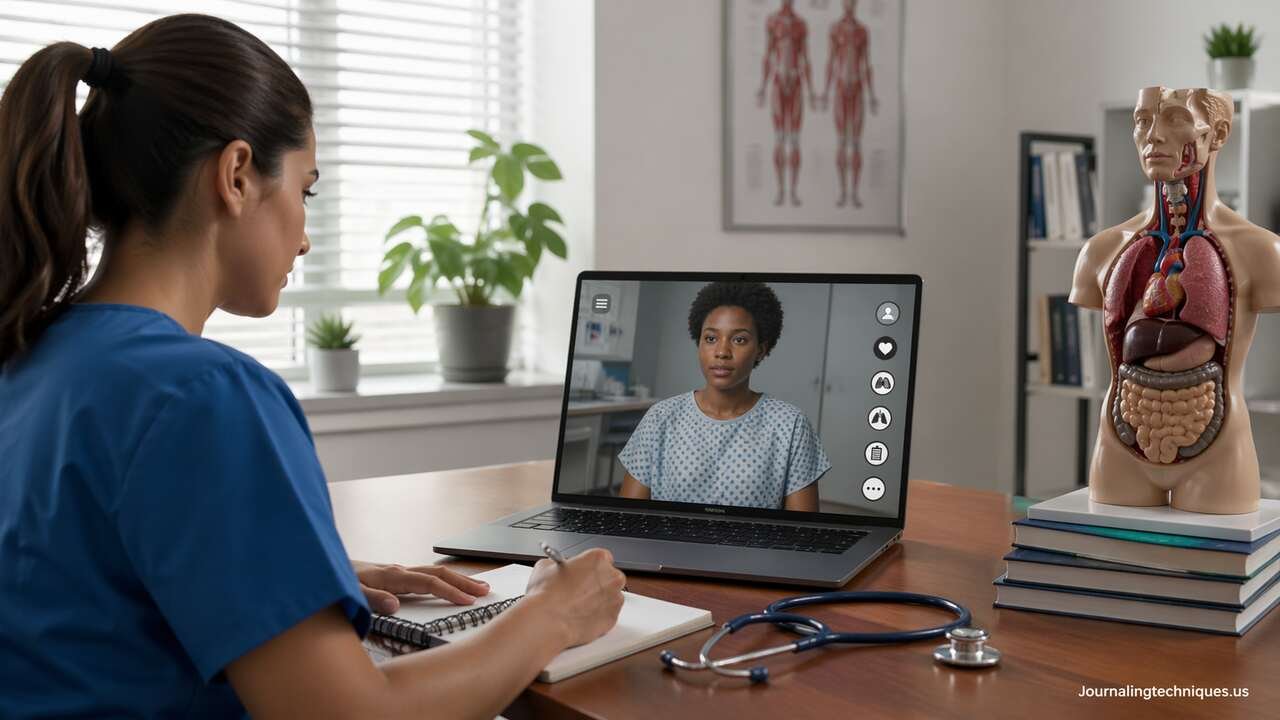
Shadow Health represents a modern transformation in healthcare education, where digital simulations replace or support traditional clinical training. Learners interact with virtual patients, perform assessments, and receive real-time feedback, creating a structured learning loop that improves both clinical reasoning and communication. I have explored this platform closely, and from my experience, Shadow Health creates a bridge between theory and real-world clinical practice, especially for nursing and medical students who need repeated, risk-free exposure to patient care scenarios.
What is Shadow Health and How Does It Work?
Shadow Health operates as a virtual simulation system designed to mimic real-life clinical environments through interactive digital patients. The system allows learners to conduct patient interviews, perform health assessments, and document findings using structured clinical workflows. Every interaction follows a logical path where questions lead to responses, and responses guide further clinical decisions.
Shadow Health uses artificial intelligence to simulate patient behavior, enabling dynamic conversations instead of static responses. Each virtual patient responds differently based on how the learner communicates, which encourages critical thinking and adaptive questioning. From my experience, this feature makes the platform feel less like software and more like a real clinical interaction.
The system also includes guided feedback and scoring mechanisms that evaluate accuracy, completeness, and communication style. Performance tracking helps learners identify weak areas and refine their clinical approach over time. When I used similar systems, consistent feedback loops made a noticeable difference in confidence and structured thinking.
How Virtual Patients Improve Learning
Virtual patients create realistic scenarios that allow learners to practice repeatedly without risk. Continuous exposure strengthens clinical reasoning and decision-making.
Role of Artificial Intelligence in Simulation
Artificial intelligence enables dynamic responses and adaptive communication, making each interaction feel personalized and clinically relevant.
Why is Shadow Health Important in Healthcare Education?
Shadow Health plays a crucial role in modern education by filling the gap between theoretical knowledge and clinical practice. Traditional learning often limits patient interaction due to time, availability, and safety concerns. Shadow Health removes these barriers by offering unlimited practice opportunities.
Learners develop confidence through repetition and structured guidance. Confidence improves because mistakes occur in a safe environment, allowing correction without real-world consequences. I noticed that practicing in such environments reduces anxiety before entering actual clinical settings.
Educational institutions benefit from standardized training. Every student experiences the same scenarios, ensuring consistency in learning outcomes. This consistency helps educators evaluate performance more effectively and maintain quality education standards.
Bridging Theory and Practice
Simulation environments connect textbook knowledge with real clinical application, making learning more practical and actionable.
Reducing Clinical Errors Through Practice
Repeated exposure to patient scenarios minimizes the likelihood of errors during real patient care.
What Features Make Shadow Health Unique?

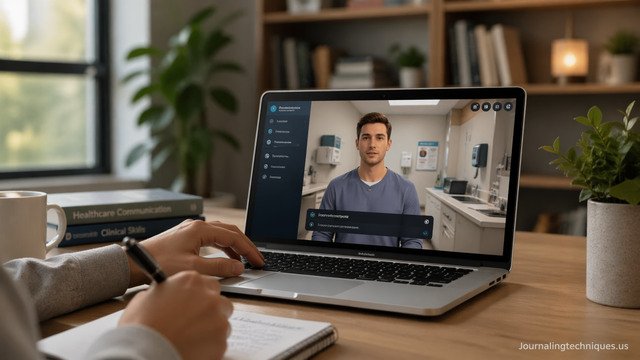
Shadow Health stands out because of its interactive design and detailed clinical simulations. The platform provides realistic patient histories, emotional responses, and varying conditions that challenge learners to think critically.
Another key feature involves structured documentation. Learners must record findings accurately, which strengthens professional reporting skills. Proper documentation is essential in healthcare, and Shadow Health reinforces this habit effectively. From my experience, this aspect improves attention to detail significantly.
The platform also offers guided hints and feedback. Learners receive suggestions when they miss critical questions or overlook important symptoms. This guided learning approach ensures continuous improvement and reduces knowledge gaps.
Interactive Clinical Scenarios
Interactive cases simulate real-world conditions, allowing learners to engage deeply with patient care processes.
Real-Time Feedback System
Immediate feedback highlights mistakes and strengths, helping learners adjust their approach instantly.
How Does Shadow Health Improve Clinical Skills?
Shadow Health enhances clinical skills by encouraging active participation instead of passive learning. Learners engage directly with patient scenarios, which strengthens memory retention and understanding.
Communication skills improve through repeated patient interviews. Effective questioning techniques develop over time, leading to better patient interactions. I found that practicing conversations helps refine tone, clarity, and empathy.
Critical thinking becomes sharper as learners analyze symptoms, interpret responses, and make decisions. Decision-making improves because each action has consequences within the simulation, creating a realistic learning experience.
Enhancing Patient Communication Skills
Practicing patient interviews builds confidence and improves clarity in communication.
Strengthening Diagnostic Reasoning
Analyzing symptoms and responses enhances logical thinking and clinical judgment.
What Are the Benefits and Limitations of Shadow Health?

Benefits
| Aspect | Description |
| Safe Learning Environment | Allows practice without risk to real patients |
| Flexible Access | Available anytime for repeated learning |
| Standardized Training | Ensures consistent educational experiences |
| Immediate Feedback | Helps identify and correct mistakes quickly |
Shadow Health provides flexibility that traditional clinical training cannot match. Learners can access simulations anytime, making education more adaptable to individual schedules. This flexibility supports continuous improvement and self-paced learning.
However, limitations exist. Virtual simulations cannot fully replicate physical examinations or emotional nuances of real patients. Human interaction remains irreplaceable in healthcare. From my experience, combining simulation with real clinical exposure creates the best results.
Another limitation involves dependency on technology. Technical issues or lack of access can disrupt learning. Despite this, the benefits outweigh the challenges when used as a supplementary tool.
Advantages of Digital Simulation
Digital platforms provide accessibility, consistency, and safe practice environments for learners.
Challenges in Virtual Learning
Limitations include lack of physical interaction and reliance on technology infrastructure.
How Can Students Use Shadow Health Effectively?
Students achieve better results by approaching Shadow Health with a structured mindset. Preparation before each session improves performance, as understanding the scenario leads to more focused questioning.
Active engagement is essential. Asking detailed questions and exploring all possible symptoms leads to better outcomes. I always suggest treating each simulation like a real patient interaction, as this mindset improves learning quality.
Reviewing feedback after each session is equally important. Feedback highlights mistakes and provides guidance for improvement. Consistent review helps build strong clinical habits over time.
Best Practices for Simulation Sessions
Preparation and active participation enhance learning outcomes significantly.
Importance of Reviewing Feedback
Analyzing feedback helps identify gaps and improve future performance.
What is the Future Scope of Shadow Health in Healthcare?
Shadow Health represents the future of healthcare education, where technology integrates deeply with learning systems. Advancements in artificial intelligence will make simulations more realistic and responsive.
Integration with virtual reality may further enhance immersion. Learners could experience fully interactive environments that mimic real hospitals. From my perspective, such advancements will redefine clinical training standards.
Healthcare institutions will increasingly adopt digital platforms to improve training efficiency. As demand for skilled professionals grows, tools like Shadow Health will become essential in preparing competent healthcare providers.
Role of AI in Future Learning
Artificial intelligence will create more adaptive and realistic learning environments.
Integration with Advanced Technologies
Virtual reality and augmented reality will enhance immersive clinical simulations.
Conclusion
Shadow Health provides a powerful solution for modern healthcare education by combining technology, interactivity, and structured learning. The platform supports skill development, improves confidence, and bridges the gap between theory and practice. From my experience, consistent use of simulation tools leads to noticeable improvement in clinical reasoning and communication. While limitations exist, the overall value remains significant when combined with real-world experience. Future advancements will likely expand its capabilities, making digital simulation an essential part of healthcare training.
FAQ’s
Shadow Health is used for practicing clinical skills, patient assessment, and communication through virtual simulations.
Yes, beginners benefit from structured guidance and feedback that supports gradual learning.
Shadow Health cannot fully replace real training but serves as an effective supplementary tool.
The platform analyzes responses and provides detailed evaluations based on accuracy and completeness.
Shadow Health supports various healthcare learners, including medical and allied health students.


