

Introduction
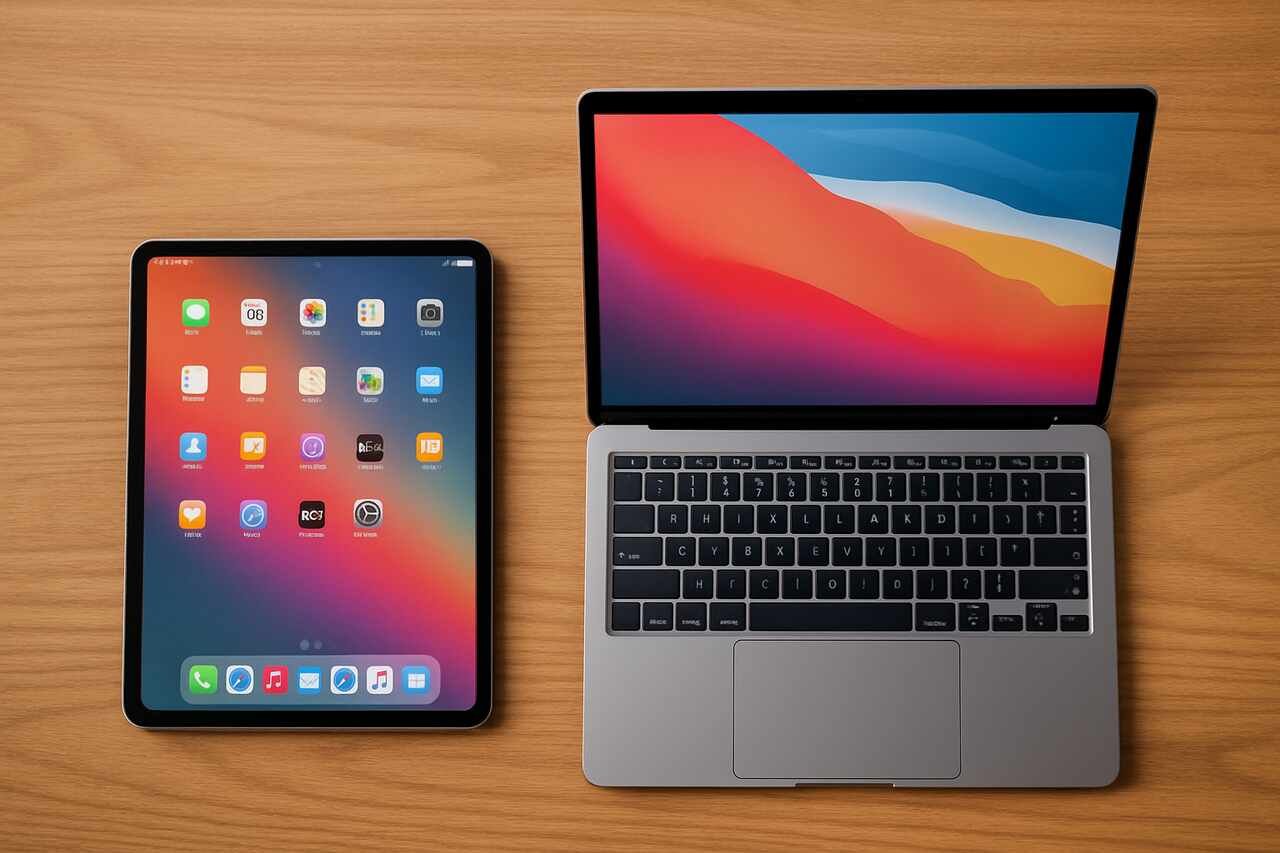
Selecting between an iPad and a laptop has become a pivotal decision for students, professionals, creators, and everyday users. Both devices offer powerful capabilities, unique workflows, and long-term advantages, but their suitability depends on your daily tasks, mobility expectations, and performance requirements. This guide breaks down every major decision factor so you can confidently choose the device that delivers maximum value for your work and lifestyle.
Assess Your Portability Requirements
Understanding how and where you plan to use your device helps you make a precise decision between an iPad and a laptop. Many users prioritize lightweight mobility for travel, commuting, or remote work, while others need the full hardware ecosystem of a traditional computer. Portability influences screen size, accessories, weight, and battery longevity.
Your choice becomes clearer when you evaluate the size, carrying method, and flexibility you need during transit. iPads often excel as ultra-mobile tools because of their tablet form factor, detachable keyboards, and long battery life. Laptops, meanwhile, provide fixed stability, integrated keyboards, and broader port selections. Both categories serve different mobility lifestyles.
Environmental conditions also matter. If you move frequently between offices, classrooms, or field locations, an iPad simplifies quick interactions. If you work extensively at a desk or require multitasking under heavy workloads, a laptop may offer a more structured setup.
Examine Daily Mobility Patterns
Your daily movement impacts how comfortable it is to use or transport your device. Frequent travelers benefit from lighter setups, while stationary users gain more from structured hardware.
Compare Weight and Battery Expectations
Weighing how long your device must stay powered and how much weight you can comfortably carry helps narrow your selection effectively.
Evaluate Your Performance Demands
Every user has unique performance needs, ranging from simple browsing to editing large video files. Laptops traditionally provide greater processing strength, thermal capacity, and multi-app performance suitable for heavy workloads. Meanwhile, modern iPads offer highly optimized chips and app ecosystems that perform exceptionally well for creative and productivity tasks.
Performance evaluation requires considering how often you run multiple applications, the type of software you rely on, and whether your work benefits from desktop-grade compute power. Laptops often win in scenarios involving complex software engines, advanced development platforms, or large data processing.
While iPads provide remarkable efficiency, their app-based workflow may limit functions required by engineers, professional editors, and researchers. On the other hand, their chip efficiency supports fast loading speeds, consistent responsiveness, and extended battery cycles.
Identify Your Most Demanding Applications
List the apps you use most frequently to determine whether iPadOS or desktop systems support them efficiently.
Analyze Benchmarks That Matter to You
Consider metrics such as processing speed, RAM performance, and graphics capabilities, focusing on your real-world usage rather than theoretical maximums.
Determine Your Input and Interaction Preferences
How you interact with your device shapes your productivity. Laptops provide built-in keyboards, trackpads, and a stable surface for long-form writing. iPads introduce touch interfaces, Apple Pencil support, and detachable keyboard accessories that change the experience entirely.
If you value handwriting, drawing, annotation, or multi-angle use cases, the iPad becomes a compelling option. For users who rely on traditional typing experiences, trackpad precision, or shortcut-based navigation, laptops typically feel more natural.
Input methods also influence fatigue, accuracy, and workflow speed. Writers, programmers, and analysts often benefit from the tactile consistency of laptops. Designers, illustrators, and students who annotate documents may feel more empowered with an iPad’s stylus integration.
Consider Keyboard and Touch Interaction Styles
Evaluate whether touch gestures or traditional keyboard shortcuts support your workflow more effectively.
Test Stylus-Driven Tasks if Applicable
If your work involves sketching or note-taking, explore how stylus interactions enhance control and expression.
Review Your Software and Ecosystem Requirements
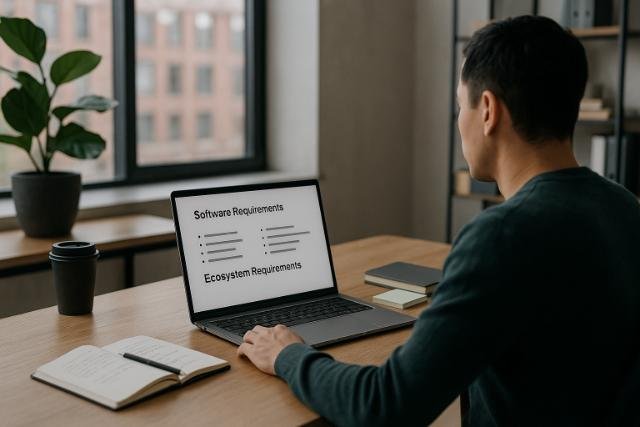
Choosing between these devices depends heavily on the software environment you rely on. Laptops support full desktop programs including advanced video editors, programming suites, architectural tools, and financial modeling platforms. iPads operate within a curated app ecosystem offering lightweight, optimized applications.
Different industries rely on specific programs that may or may not exist in tablet-compatible forms. Understanding these limitations or advantages ensures your device supports both current and future tasks. Apps on iPads often feel more streamlined, while laptop software provides greater depth and customization.
The workflow ecosystem matters as well. Cloud integration, file management approaches, and peripheral compatibility may vary across devices. Some users value the simplicity of app-based navigation, while others prefer the full file system control of a laptop.
Map Out Required Applications and Features
Knowing which programs you must access ensures your device supports every essential workflow component.
Compare File Management and System Integrations
Evaluate whether a simplified app-driven file system or a traditional folder structure better suits your organizational habits.
Examine Display, Audio, and Media Expectations
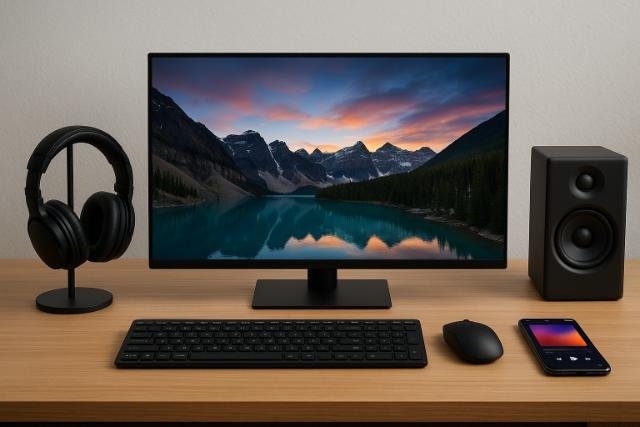
Users who create or consume visual content should consider the differences in screen technology, color accuracy, audio output, and resolution. iPads often feature high-quality touch displays ideal for media consumption, drawing, and editing. Laptops vary widely in display quality but typically offer larger screens that improve multitasking
Audio systems also differ. iPads can have surprisingly powerful onboard speakers for their size, while laptops deliver more immersive audio through larger hardware. Deciding which matters depends on whether you edit media, watch content, or require accurate representation of color and sound.
Variations in refresh rate, brightness, and calibration influence long-term comfort and accuracy. For example, users who edit photographs benefit from high-calibration environments, while casual viewers simply need vivid, clean visuals.
Compare Display Quality for Creative or Technical Work
Bright screens, accurate color profiles, and wide viewing angles play a major role in selecting the right device.
Evaluate Audio Strength Based on Usage
Whether you’re editing sound or listening to music, assess which device delivers the richer audio profile you need.
Understand Your Accessory and Peripheral Needs
Accessories shape the versatility of both devices. iPads transform into pseudo-laptops with keyboards, stands, and stylus tools, while laptops broaden capability through external monitors, mice, drives, and domain-specific hardware.
Selecting a device involves understanding how many peripherals you regularly use. Laptops usually support wider connectivity through ports and driver compatibility. iPads rely more on Bluetooth and USB-C attachments with simpler configurations.
Additionally, your long-term setup may evolve. Some users start with lightweight accessories and gradually expand into multi-display workstation environments. Your decision should accommodate both present needs and future growth.
Identify Required External Devices
Determine whether printers, displays, microphones, or specialized tools must integrate seamlessly with your device.
Assess Connectivity and Port Requirements
Your workflow might require more ports, adapters, or wireless accessories depending on your device choice.
Compare Long-Term Value and Upgrade Considerations
Cost, durability, repairability, and long-term support determine how well your device ages. Laptops generally offer broader hardware upgrade options such as storage or memory, though modern models are becoming increasingly sealed. iPads rely on complete replacements rather than internal upgrades.
Consider how frequently you upgrade devices and how long you expect support through system updates. iPads often maintain excellent performance and longevity because of their chip efficiency, while laptops provide stronger scalability in professional environments.
Financial value also depends on how well each device supports your evolving needs. If you expect your tasks to grow in complexity, laptops may offer better future-proofing. If you prioritize stable, multitouch performance for years, an iPad may be more cost-effective.
Review Lifespan Expectations
Understanding how long each device remains functional helps justify initial investment.
Factor in Repairability and Maintenance Costs
Evaluate the long-term financial impact of hardware repairs or replacements.
iPad vs Laptop (Core Differences)
| Category | iPad | Laptop |
| Mobility | Highly portable, lightweight | Moderately portable, heavier |
| Performance | Optimized for apps | Stronger desktop-level performance |
| Input Style | Touch, stylus, detachable keyboard | Built-in keyboard and trackpad |
| Software | App-based ecosystem | Full desktop programs |
| Ports | Limited, minimal | Broad connectivity options |
Functional Use Case Table
| User Type | Best Choice | Reason |
| Students | iPad | Portable, great note-taking, long battery life |
| Designers/Artists | iPad | Superior stylus support |
| Programmers | Laptop | Requires desktop environments |
| Video Editors | Laptop | More processing power and advanced software |
Conclusion
Deciding between an iPad and a laptop depends on how you balance mobility, performance, input preferences, software needs, and long-term value. iPads excel in portability, touch interaction, and creative workflows, while laptops deliver superior performance, broader software compatibility, and stronger multitasking capabilities. By understanding how each device aligns with your daily tasks and long-term goals, you can confidently select the tool that supports your productivity and creativity for years to come.
Explore more insightful and valuable content on our blog journalingtechniques! Stay updated with helpful tips, expert advice, and in-depth articles that enhance your knowledge.
FAQ’s
Yes, for users who rely on app-based workflows, touch interaction, or stylus-driven tasks. However, complex desktop software may require a laptop instead.
Both offer long life spans, but laptops typically support hardware upgrades, while iPads maintain excellent battery and performance efficiency over time.
Yes, many professional drawing and editing apps support high-quality creative work, especially with stylus integration.
Generally, yes. Laptops handle multiple heavy applications simultaneously with fewer limitations.
An iPad offers exceptional portability and note-taking features, while laptops are better for students who need full desktop programs.
It can be, especially for presentations, writing, and communication tasks. Businesses needing advanced software may prefer laptops.
