







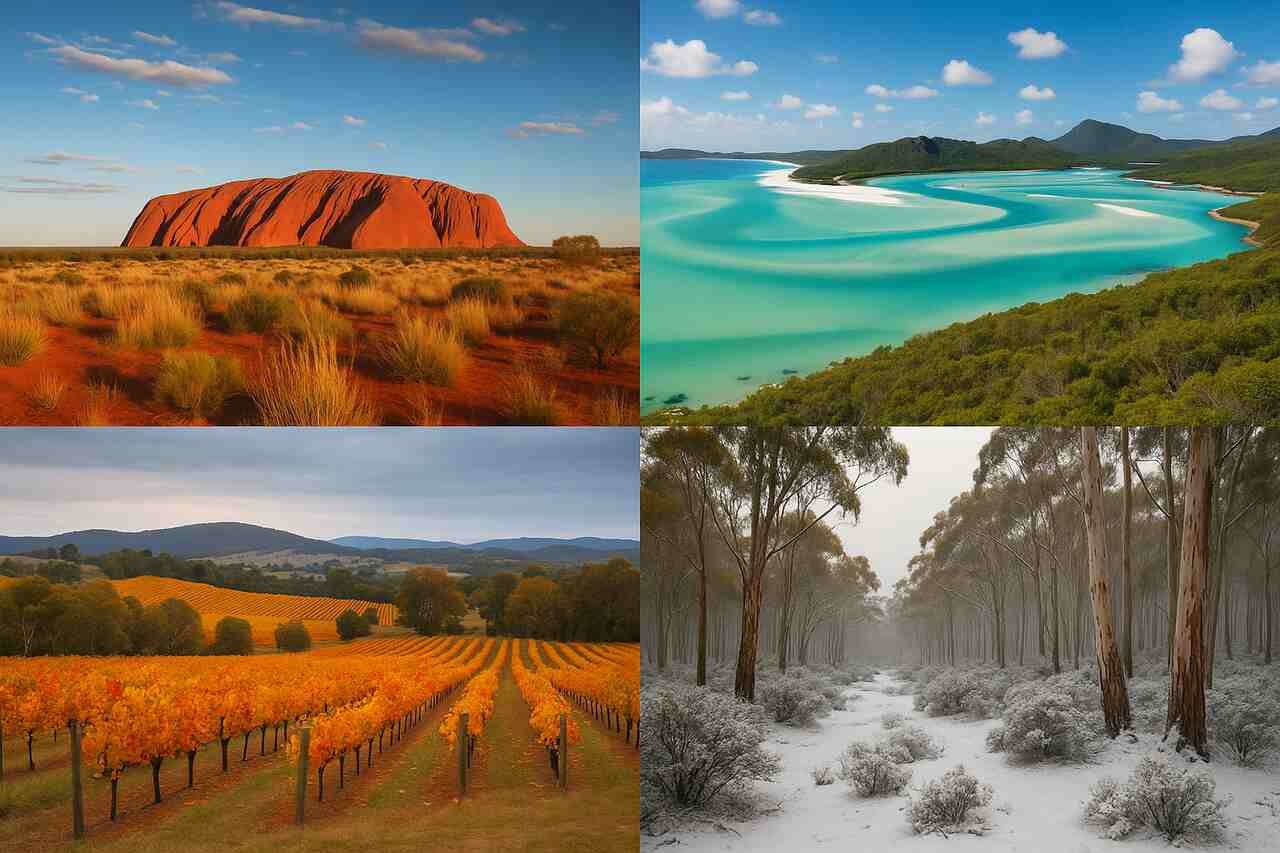
Australia’s vast geography creates a diverse range of climates, landscapes, and seasonal patterns that dramatically influence the travel experience. Understanding when to visit specific regions can transform an ordinary trip into an extraordinary journey. Choosing the right season allows travelers to enjoy ideal temperatures, better wildlife encounters, safer weather conditions, and more immersive outdoor adventures. This guide reveals the optimal seasons for traveling across Australia and offers practical steps to help you plan a seamless, rewarding itinerary.
Identify Seasonal Patterns Across Australian Regions
Australia stretches across multiple climate zones, which means each region experiences different seasonal shifts. Recognizing these variations helps you determine when conditions align with your travel preferences. Seasonal insight equips you to match activities with the right time of year, whether you prefer warm coastal escapes, cooler outback exploration, or lush tropical adventures.
Before choosing travel dates, review how summer, autumn, winter, and spring influence the northern tropics, central desert, eastern cities, and southern coastal areas. These shifts affect everything from rainfall levels to ocean temperatures. Understanding the larger climate structure provides clarity as you determine which destinations offer their best conditions during your planned travel window. Each region reveals its own rhythm, shaped by natural cycles and local weather patterns that can improve or limit activities.
Travelers benefit from assessing long-term averages rather than focusing on short-term weather predictions. Seasonal patterns remain stable across years, and they shape annual tourism flows, wildlife behavior, and regional events. Aligning your itinerary with these patterns ensures comfort, safety, and richer experiences.
Compare Major Climate Zones
Australia features tropical, desert, temperate, and Mediterranean climate zones. Each one produces distinct seasonal behaviors, influencing humidity, rainfall, temperature ranges, and storm frequency.
Understand Seasonal Inversions
Unlike the Northern Hemisphere, Australia’s seasons run opposite. Summer spans December to February, autumn from March to May, winter from June to August, and spring from September to November.
Plan Coastal Journeys for Peak Comfort
Australia’s coastline covers more than 34,000 kilometers, making it essential to choose the right season for beaches, marine tours, and oceanfront sightseeing. Planning coastal travel during the most comfortable periods enhances swimming conditions, reduces storm risks, and improves visibility for reef activities.
Popular coastal destinations like the Gold Coast, Sunshine Coast, Margaret River, and Bondi Beach shine brightest when temperatures are warm but not overwhelming. Mild breezes, clear skies, and calm seas create ideal conditions for surfing, snorkeling, sailing, and shoreline relaxation. Coastal towns also host seasonal festivals that reflect regional culture and lifestyle, offering travelers engaging activities beyond the beach.
Travelers who are sensitive to heat or humidity benefit from avoiding the peak of summer, especially in northern coastal areas. Southern coasts, however, thrive during summer, making them a reliable choice for classic beach holidays. Monitoring jellyfish seasons and regional currents ensures informed decisions about safe swimming areas during warm months.
Explore Southern Coastal Summers
Southern coasts like Victoria and South Australia flourish during summer, delivering warm temperatures and lively beach atmospheres without tropical humidity challenges.
Consider Shoulder Seasons for Relaxed Travel
Spring and autumn offer milder conditions and fewer crowds along major coasts, making them excellent for scenic drives, wildlife viewing, and calm-water activities.
Schedule Outback Expeditions for Ideal Temperatures
The Australian Outback spans a massive interior, offering red deserts, ancient rock formations, remote trails, and panoramic skies. Because the region can become dangerously hot in summer, scheduling travel during cooler seasons is essential for comfort and safety.
Winter and early spring create the best conditions for hiking, driving, and exploring iconic landmarks such as Uluru, Kings Canyon, and the MacDonnell Ranges. Lower temperatures allow travelers to spend more time on walking paths, participate in guided cultural activities, and enjoy vast landscapes without extreme heat fatigue. Clear winter air also enhances stargazing, one of the Outback’s signature experiences.
Rainfall is minimal throughout the year, but occasional summer storms can disrupt remote roads. During cooler seasons, infrastructure remains accessible, and long distances become more manageable. Wildlife movements also shift with temperature changes, making certain months better for spotting kangaroos, emus, and desert birds.
Visit Uluru During Cooler Months
Uluru’s walking tracks and cultural sites are best experienced when daytime temperatures are mild, usually from May to September.
Choose Early Mornings and Evenings
Outback activities thrive at sunrise and sunset, offering more comfortable temperatures and dramatic natural colors across the desert landscape.
Explore Tropical Regions During the Dry Season

Northern Australia includes lush rainforests, vibrant reefs, and dramatic waterfalls, but the region is heavily affected by wet and dry seasonal cycles. Planning travel during the dry season ensures safer outdoor exploration and more reliable access to natural attractions.
From May to October, tropical areas like Cairns, Darwin, Broome, and the Kimberley deliver warm, sunny days with low humidity. These months offer ideal conditions for reef tours, waterfall hikes, and cultural excursions. Roads remain open, skies remain clear, and wildlife is more active. The dry season also brings a calendar of festivals, outdoor markets, and coastal events that celebrate local heritage.
Wet season travel, while scenic, introduces challenges such as heavy rainfall, high humidity, cyclone risks, and restricted access to national parks. Travelers who prefer active itineraries benefit more from the dry season’s consistency. Boat tours, helicopter flights, and remote trekking routes operate more reliably, enabling fuller exploration of northern landscapes.
Maximize Visibility on Reef Tours
The dry season offers clearer water and steadier sea conditions, improving snorkeling and diving experiences along the Great Barrier Reef.
Enjoy Accessible Waterfalls and Gorges
Lower rainfall levels allow travelers to explore famous waterfall routes, hidden gorges, and swimming holes without closure risks.
Time Urban Visits for Cultural and Lifestyle Events

Australia’s major cities maintain vibrant cultural calendars, and choosing the right season can elevate your urban travel experience. Each city offers seasonal highlights that blend climate, festivals, food, and entertainment.
Sydney shines during summer and early autumn, offering outdoor concerts, harbor events, and beachfront activities. Melbourne thrives in autumn and spring when mild weather pairs with food festivals, sporting events, and arts showcases. Brisbane and Perth maintain warm conditions most of the year, making them accessible for outdoor dining and riverside activities.
Aligning city visits with seasonal events enhances the value of your itinerary. Warm evenings support nightlife exploration, while cooler periods invite museum visits, gallery tours, and architectural walks. City parks and botanical gardens also reveal different forms of seasonal bloom, adding natural beauty to urban exploration.
Experience Seasonal Food and Wine Festivals
Cities across Australia host annual culinary celebrations aligned with seasonal harvests and regional produce trends.
Join Art, Music, and Cultural Gatherings
Seasonal events like film festivals, music concerts, and cultural parades enrich city travel with engaging, community-centered activities.
Match Wildlife Encounters With Natural Cycles
Wildlife in Australia follows distinct seasonal patterns, making timing crucial for meaningful encounters. From whale migrations to turtle hatchings, aligning travel with natural cycles creates opportunities for unforgettable experiences.
Winter marks the beginning of whale-watching season along the east and west coasts, drawing travelers to spots like Hervey Bay and Albany. Summer brings turtle nesting events in Queensland, offering educational beach tours and conservation experiences. Spring delivers bird-watching opportunities as species migrate across wetlands, forests, and coastal habitats.
Climate shifts affect the behavior, visibility, and movement of animals, meaning certain species are easier to spot during specific months. By respecting natural rhythms, travelers enhance conservation efforts and ensure responsible tourism practices. Wildlife tours often operate seasonally, increasing reliability and quality during peak encounter periods.
Track Marine Animal Migrations
Whales, dolphins, and turtles follow predictable annual routes that align with specific seasons along Australia’s coastlines.
Observe Land Animal Behaviors
Kangaroos, koalas, wombats, and bird species become more active during mild-weather months, improving viewing conditions.
Align Travel Budgets With Seasonal Pricing Trends

Traveling across Australia becomes more affordable when you understand seasonal pricing patterns. Flight costs, hotel rates, tour fees, and rental vehicles all fluctuate based on demand, weather, and holiday periods. Aligning your itinerary with these trends can significantly reduce overall expenses.
Peak seasons often include school holidays, summer beach periods, and major festival weeks. Prices rise sharply during these windows, especially in coastal cities and beach towns. Conversely, shoulder seasons and off-peak months offer budget-friendly alternatives with fewer crowds and more flexible accommodation options. Travelers benefit from early bookings, mid-week travel dates, and multi-night stay discounts during these periods.
Balancing optimal weather with cost efficiency allows you to stretch your budget further. Some regions maintain favorable conditions even during off-peak months, making them ideal for cost-conscious travelers. Monitoring long-term pricing patterns empowers you to choose the right moment for economical and enjoyable travel.
Evaluate Peak and Off-Peak Periods
Identifying high-demand holiday periods helps you avoid inflated prices and crowded tourist zones.
Leverage Seasonal Discounts
Airlines, hotels, and tour operators release promotions during shoulder seasons to attract travelers seeking value.
Comparative Seasonal Overview
| Region | Best Season | Key Advantages | Potential Challenges |
| Tropical North | Dry season (May to Oct) | Clear skies, open parks, active wildlife | High season pricing |
| Southern Coast | Summer (Dec to Feb) | Warm beaches, festivals, long days | Crowds and peak rates |
| Outback | Winter (Jun to Aug) | Mild temperatures, excellent stargazing | Cooler nights |
| Eastern Cities | Spring and Autumn | Ideal weather, cultural events | Variable rainfall |
Activity Suitability by Season
| Activity | Optimal Season | Notes |
| Reef Snorkeling | Dry season | Better visibility and calmer seas |
| Beach Vacations | Summer | Warmer water and vibrant coastal events |
| Hiking and Trekking | Winter and Spring | Cooler temperatures and safer terrain |
| Wildlife Watching | Varies by species | Dependent on migration and breeding cycles |
Conclusion
Traveling across Australia becomes more rewarding when you understand the seasonal rhythms that shape each region. From tropical dry seasons and southern summers to outback winters and urban cultural peaks, each area reveals its best qualities at specific times of the year. Selecting the right season allows you to enjoy comfortable weather, remarkable landscapes, memorable wildlife encounters, and vibrant community events. With careful planning, your journey through Australia becomes richer, safer, and more personalized to your interests and travel style.
Explore more insightful and valuable content on our blog journalingtechniques! Stay updated with helpful tips, expert advice, and in-depth articles that enhance your knowledge.
FAQ’s
September ranks highly because it delivers mild weather across many regions, making it suitable for cities, coastlines, and wildlife experiences.
The dry season offers calm seas and clear water, allowing for better snorkeling and diving conditions.
Yes, summer temperatures can become extreme, making winter the safest and most comfortable time to explore desert regions.
April, May, and November typically offer lower rates due to reduced demand and moderate weather in many regions.
Whale migration occurs from June to November along both eastern and western coastlines.
Spring and autumn provide ideal weather for festivals, outdoor dining, and cultural events in most urban areas.


