

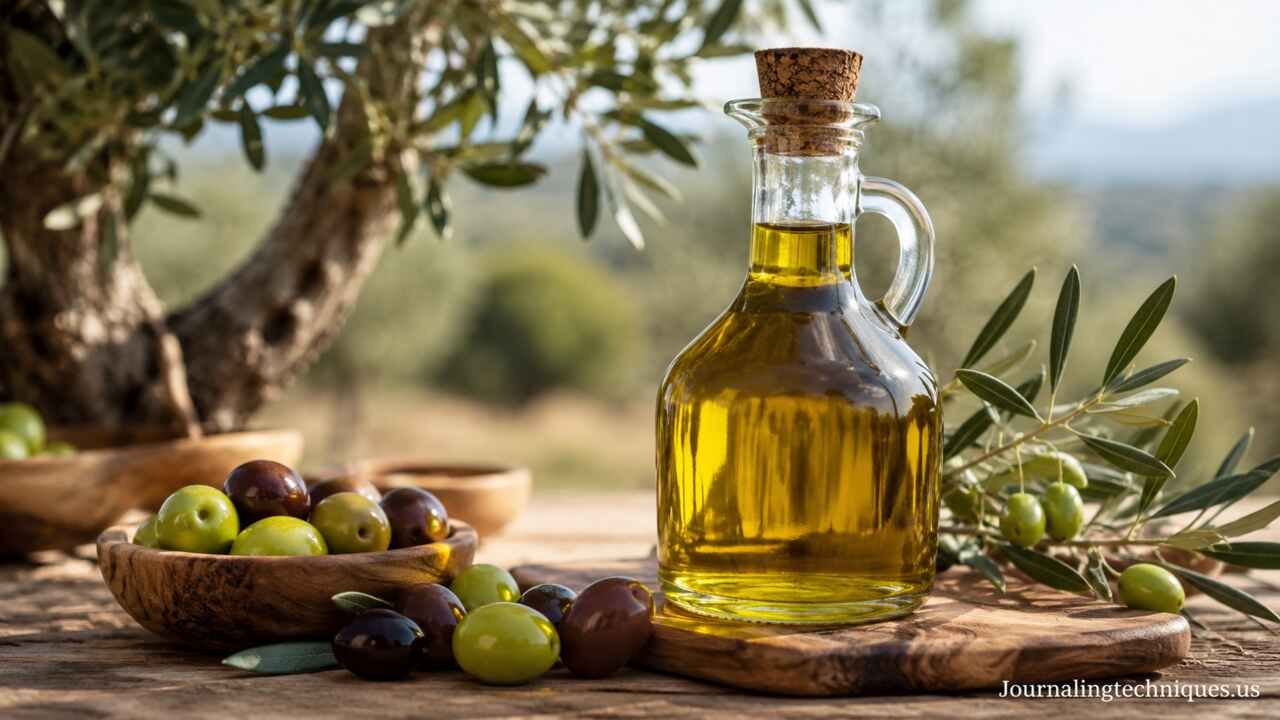
Olive oil has become one of the most trusted cooking fats for people who want better heart health, balanced cholesterol levels, anti-inflammatory nutrition, and long-term wellness. The growing popularity of Mediterranean eating patterns has also increased interest in choosing the best olive oil for health. Not all olive oils deliver the same nutritional value, flavor profile, antioxidant content, or cooking performance. The quality of olives, extraction process, storage method, acidity level, and freshness all influence the final product.
Consumers often face confusion when selecting olive oil because supermarket shelves contain refined olive oil, light olive oil, virgin olive oil, cold-pressed oils, organic options, and premium extra virgin olive oils from different regions. Some oils provide stronger polyphenol levels and better antioxidant protection, while others lose nutritional value through heat processing and prolonged storage.
Choosing the healthiest olive oil requires understanding production methods, nutritional markers, bottle labeling, smoke points, and authenticity standards. A high-quality extra virgin olive oil can support cardiovascular function, improve dietary fat intake, contribute to better metabolic balance, and enhance meals with natural flavor. The right selection also helps preserve vitamins and beneficial plant compounds that contribute to overall health.
Identify Extra Virgin Olive Oil for Maximum Health Benefits
Extra virgin olive oil provides the highest nutritional quality among olive oil categories because it undergoes minimal processing and retains naturally occurring antioxidants, polyphenols, and healthy monounsaturated fats. Manufacturers produce extra virgin olive oil through mechanical extraction without excessive heat or chemical refining. This process preserves nutrients that support heart health and reduce oxidative stress.
The healthiest extra virgin olive oils typically contain oleic acid, vitamin E, hydroxytyrosol, and polyphenols that contribute to anti-inflammatory support. These compounds may help protect blood vessels, support healthy cholesterol balance, and improve overall dietary quality. Oils with higher polyphenol content often have a peppery or slightly bitter finish because antioxidants influence flavor intensity.
Many nutrition experts recommend extra virgin olive oil as a replacement for butter, margarine, or highly refined vegetable oils. The Mediterranean diet frequently uses extra virgin olive oil as the primary fat source because of its association with cardiovascular wellness and healthy aging. Choosing authentic extra virgin olive oil creates a stronger nutritional foundation for long-term health-focused eating habits.
| Olive Oil Type | Processing Level | Nutritional Quality | Best Use |
| Extra Virgin Olive Oil | Minimal processing | Highest antioxidants and polyphenols | Salads, finishing, light cooking |
| Virgin Olive Oil | Slightly processed | Moderate nutrient retention | General cooking |
| Refined Olive Oil | Heavily processed | Lower antioxidant content | High-heat cooking |
| Light Olive Oil | Refined and filtered | Reduced flavor and nutrients | Baking and neutral flavor cooking |
Check Polyphenol Content for Stronger Antioxidant Protection
Polyphenols are among the most valuable compounds in olive oil because they provide antioxidant and anti-inflammatory support. Olive oils with higher polyphenol levels may help reduce cellular damage caused by oxidative stress. These compounds also contribute to the distinct peppery sensation often found in premium extra virgin olive oil.
High-polyphenol olive oils generally come from early-harvest olives, careful cold extraction methods, and proper storage conditions. Producers who focus on freshness and quality often include harvest dates, region details, and testing certifications on their labels. Some premium olive oils specifically advertise high phenolic content because health-conscious buyers actively seek stronger antioxidant value.
Polyphenol-rich olive oil works especially well in raw applications such as salads, vegetable drizzles, soups, and dips. Heat can gradually reduce some antioxidant compounds, so using high-quality olive oil uncooked helps preserve nutritional benefits. Consumers interested in wellness, cardiovascular support, and anti-inflammatory nutrition often prioritize oils with strong polyphenol profiles.
Select Cold-Pressed Olive Oil to Preserve Nutrients
Cold-pressed olive oil maintains more natural nutrients because the extraction process avoids excessive heat exposure. Heat can degrade sensitive compounds such as antioxidants, vitamins, and aromatic elements that contribute to both nutrition and flavor. When producers use cold extraction methods, they help preserve the oil’s original nutritional structure.
The term “cold-pressed” usually indicates that olives were mechanically processed at controlled temperatures. This method supports better retention of vitamin E, healthy fats, and plant compounds. Premium producers often emphasize cold extraction because consumers associate it with freshness, authenticity, and superior quality.
Cold-pressed extra virgin olive oil usually delivers a richer aroma and more complex flavor profile compared to refined oils. The oil may contain grassy, fruity, peppery, or herbal notes depending on olive variety and growing region. These flavor variations reflect the natural characteristics of the olives rather than industrial processing.
Compare Organic and Conventional Olive Oil Options
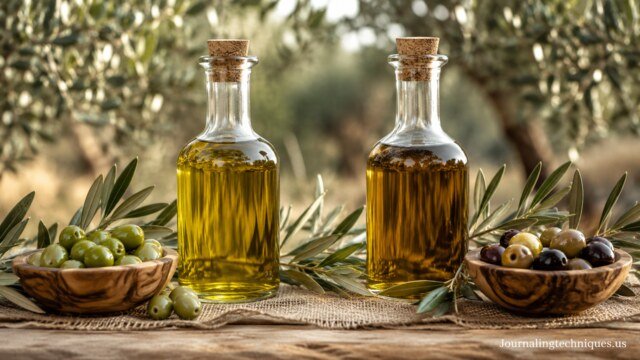
Organic olive oil appeals to consumers who want products produced without synthetic pesticides or chemical fertilizers. Certified organic farming practices focus on soil health, sustainable cultivation, and environmental protection. Many buyers choose organic olive oil to reduce exposure to agricultural chemicals and support cleaner food systems.
Conventional olive oil can still provide strong nutritional value if producers maintain high harvesting and extraction standards. Nutrient quality depends heavily on olive freshness, processing methods, and storage conditions rather than organic certification alone. Some non-organic extra virgin olive oils outperform lower-quality organic oils in taste, antioxidant levels, and freshness.
Consumers should compare certification labels, harvest dates, production regions, and ingredient transparency before choosing between organic and conventional olive oils. A fresh, authentic extra virgin olive oil often delivers greater health value than an older or poorly stored product regardless of organic status. Balancing freshness, purity, and production quality leads to better purchasing decisions.
Evaluate Bottle Packaging to Protect Olive Oil Quality
Packaging plays an important role in preserving olive oil nutrients because light, heat, and oxygen gradually damage healthy compounds. Dark glass bottles help shield olive oil from ultraviolet exposure that can accelerate oxidation. High-quality producers often use dark green or amber bottles to improve shelf stability.
Plastic containers may allow more oxygen exposure over time, which can reduce freshness and alter flavor. Tin containers also provide strong protection against light and are commonly used for premium olive oils in larger quantities. Proper sealing further helps maintain flavor integrity and antioxidant levels.
Consumers should avoid purchasing olive oil stored in clear bottles under bright supermarket lighting for long periods. Exposure to light and heat can weaken nutritional quality before the product even reaches the kitchen. Selecting well-packaged olive oil supports freshness, taste, and long-term nutrient preservation.
Read Harvest Dates Instead of Expiration Dates Alone
Freshness significantly affects olive oil quality because antioxidants and flavor compounds decline over time. Harvest dates provide more useful information than expiration dates because they reveal when olives were actually processed into oil. Fresh olive oil generally delivers stronger flavor, better aroma, and higher nutritional value.
Many premium producers release annual harvest batches and encourage consumers to use the oil within a specific timeframe. Ideally, olive oil should be consumed within 12 to 18 months after harvest for optimal flavor and antioxidant retention. Older oils may taste flat, stale, or waxy as oxidation increases.
Consumers who prioritize health benefits should buy smaller quantities more frequently instead of storing large bottles for extended periods. Fresh extra virgin olive oil retains more polyphenols and healthy compounds when consumed relatively soon after production. Proper storage in cool, dark environments further extends freshness.
Choose Olive Oil Regions Known for High Quality Production
Several olive-growing regions have earned strong reputations for producing healthy and flavorful olive oils. Countries such as Italy, Spain, Greece, Portugal, and parts of California produce premium extra virgin olive oils with unique flavor characteristics and nutritional profiles.
Spanish olive oils often provide balanced flavor and large-scale production consistency. Italian oils may deliver grassy, peppery, or herbal notes depending on regional olive varieties. Greek olive oils frequently contain high oleic acid levels and robust flavor profiles associated with Mediterranean dietary traditions.
Regional climate, soil conditions, olive cultivars, and harvesting techniques all influence oil composition. Some regions focus on early harvest production for stronger antioxidants, while others emphasize milder flavors suited for broad culinary use. Exploring reputable olive-growing regions helps consumers identify oils that align with both nutritional goals and taste preferences.
| Olive Oil Region | Common Flavor Profile | Typical Strength |
| Spain | Balanced and fruity | Consistent everyday use |
| Italy | Peppery and herbal | Strong flavor complexity |
| Greece | Rich and robust | High oleic acid content |
| Portugal | Smooth and mild | Versatile cooking applications |
| California | Fresh and grassy | Reliable freshness standards |
Replace Unhealthy Cooking Fats with Olive Oil
Switching from heavily processed fats to extra virgin olive oil can improve overall dietary fat quality. Olive oil contains predominantly monounsaturated fats, which are associated with healthier cholesterol balance compared to trans fats and some saturated fats. Replacing processed shortenings or hydrogenated oils with olive oil supports better cardiovascular nutrition.
Many households use olive oil for sautéing vegetables, roasting proteins, dressing salads, and preparing marinades. The oil adds both flavor and nutritional value while reducing dependence on heavily refined cooking fats. Consistent use within balanced meals can contribute to healthier long-term eating patterns.
Olive oil also complements whole-food diets that emphasize vegetables, legumes, fish, nuts, grains, and fresh herbs. This broader dietary approach creates cumulative benefits beyond any single ingredient. Using olive oil regularly as part of nutrient-rich meals supports sustainable health habits rather than temporary dietary trends.
Understand Smoke Points Before Cooking with Olive Oil
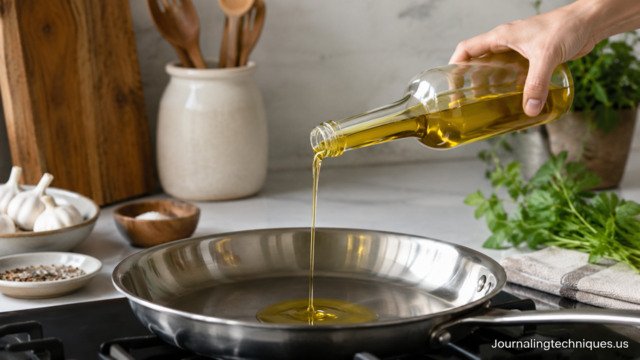
Cooking temperature influences olive oil stability and nutritional retention. Extra virgin olive oil has a moderate smoke point that works well for many common cooking methods such as sautéing, baking, and light roasting. Proper cooking temperatures help preserve flavor and reduce the breakdown of healthy compounds.
Refined olive oil generally has a higher smoke point because processing removes impurities and flavor compounds. However, refining also reduces antioxidant content and overall nutritional value. Consumers should balance cooking temperature requirements with nutritional priorities when selecting olive oil types.
For high-temperature grilling or deep frying, some cooks prefer refined olive oil or avocado oil. For salads, dipping, finishing dishes, and medium-heat cooking, extra virgin olive oil remains one of the healthiest and most flavorful choices. Understanding smoke points helps maximize both safety and nutrition.
Store Olive Oil Properly to Maintain Freshness
Proper storage helps prevent oxidation and nutrient degradation. Olive oil should remain in a cool, dark location away from direct sunlight, ovens, and heat-producing appliances. Excessive temperature exposure accelerates spoilage and weakens flavor quality.
Consumers should tightly close bottles after use because oxygen exposure contributes to rancidity. Large containers should ideally be transferred into smaller bottles for daily use to reduce repeated air contact. Freshness preservation becomes especially important for premium extra virgin olive oils with high antioxidant content.
Refrigeration is generally unnecessary for most households, although cooler storage environments may help extend shelf life in very warm climates. If refrigerated, olive oil can temporarily solidify but usually returns to liquid form at room temperature without major quality loss.
Compare Filtered and Unfiltered Olive Oil Varieties
Filtered olive oil undergoes additional processing to remove olive particles and sediment. This process creates a clearer appearance and may extend shelf stability by reducing residue that can ferment or oxidize over time. Many commercial extra virgin olive oils are filtered before packaging.
Unfiltered olive oil often appears cloudy because it contains tiny olive particles suspended within the oil. Some consumers prefer unfiltered varieties for their robust flavor and artisanal character. These oils may deliver stronger freshness immediately after production but usually require faster consumption.
Both filtered and unfiltered olive oils can support healthy nutrition when produced properly. The better option depends on flavor preference, intended usage, and storage habits. Consumers who purchase unfiltered olive oil should prioritize freshness and consume it relatively quickly.
Identify Authentic Olive Oil Certifications and Labels
Authenticity remains an important issue in the olive oil market because some products are diluted, mislabeled, or blended with lower-quality oils. Trusted certifications help consumers identify authentic extra virgin olive oil that meets specific production and testing standards.
Labels such as PDO (Protected Designation of Origin), PGI (Protected Geographical Indication), and third-party quality certifications often indicate stricter production oversight. Some producers also publish laboratory testing results for acidity levels and polyphenol content.
Consumers should look for transparent labeling that includes harvest dates, olive varieties, region details, and extraction methods. Reliable brands usually provide clear sourcing information instead of vague marketing language. Purchasing from reputable producers and specialty retailers further reduces the risk of low-quality or counterfeit products.
Include Olive Oil in a Heart-Healthy Diet
Extra virgin olive oil supports cardiovascular wellness when incorporated into balanced eating habits. The oil contains monounsaturated fats that may help maintain healthier LDL and HDL cholesterol ratios. Polyphenols and antioxidants also contribute to vascular protection and reduced inflammation.
Mediterranean dietary patterns frequently pair olive oil with vegetables, legumes, nuts, fish, fruits, and whole grains. This combination creates a nutrient-dense approach associated with lower rates of cardiovascular disease and metabolic dysfunction. Olive oil works best when combined with broader healthy lifestyle habits.
Replacing processed snacks and heavily refined fats with meals prepared using olive oil can improve overall dietary quality. Portion awareness still matters because olive oil remains calorie-dense despite its nutritional benefits. Balanced consumption within whole-food meal patterns supports sustainable long-term health outcomes.
Use Olive Oil for Anti-Inflammatory Nutrition
Inflammation contributes to many chronic health concerns, including cardiovascular disease, metabolic imbalance, and joint discomfort. Extra virgin olive oil contains compounds such as oleocanthal that may provide anti-inflammatory effects similar to naturally protective plant nutrients.
People who follow anti-inflammatory eating patterns often combine olive oil with vegetables, leafy greens, berries, legumes, nuts, seeds, and omega-3-rich foods. This nutritional synergy creates broader dietary support for immune balance and cellular protection.
High-quality olive oil can also replace processed dressings and packaged sauces that contain refined oils, added sugars, and artificial ingredients. Simplifying ingredient quality while increasing healthy fats helps improve overall meal composition and long-term wellness.
Select the Best Olive Oil Brand Based on Transparency
Brand transparency often reveals more about olive oil quality than marketing slogans alone. Trusted producers usually share detailed sourcing information, harvest timing, olive varieties, and extraction practices. Transparency demonstrates confidence in production quality and helps consumers make informed choices.
Premium brands frequently invest in freshness testing, small-batch production, and careful packaging. Some producers specialize in single-origin oils that highlight the characteristics of specific olive cultivars and growing regions. Others create blends designed for balanced flavor and consistent culinary performance.
Consumers should research producer reputation, customer reviews, and certification standards before purchasing. A transparent and reputable brand often provides better nutritional consistency than mass-market products with limited sourcing details.
Pair Olive Oil with Healthy Foods for Better Nutrition
Olive oil enhances nutrient absorption when combined with vegetables and plant-based foods. Fat-soluble vitamins such as vitamins A, D, E, and K require dietary fat for efficient absorption. Drizzling olive oil over salads or cooked vegetables improves both flavor and nutritional availability.
Meals containing olive oil, legumes, whole grains, fish, nuts, and vegetables provide balanced combinations of fiber, healthy fats, vitamins, minerals, and antioxidants. This nutrient diversity supports digestive health, metabolic balance, and sustained energy levels.
Simple meal patterns often produce the most sustainable dietary improvements. Using extra virgin olive oil consistently in home cooking encourages healthier food preparation methods and reduces reliance on highly processed convenience foods.
Avoid Common Olive Oil Buying Mistakes
Many consumers assume that all olive oils labeled “pure” or “light” provide superior health value. In reality, these products are often heavily refined and contain fewer antioxidants than authentic extra virgin olive oil. Marketing terminology can sometimes obscure actual production quality.
Another common mistake involves purchasing oversized bottles that remain unused for extended periods. Olive oil gradually oxidizes after opening, especially when exposed to heat, light, and oxygen. Smaller bottles often maintain better freshness for average household use.
Consumers should also avoid selecting olive oil solely based on price. Extremely cheap olive oils may involve lower-quality production, older stock, or diluted blends. While premium olive oil can cost more initially, better freshness and nutritional value often justify the investment.
Compare Olive Oil Characteristics Before Purchasing
Choosing the best olive oil for health depends on balancing flavor, antioxidant content, intended use, and production quality. Some oils prioritize strong peppery flavor and high polyphenol levels, while others emphasize mild taste and versatile cooking performance.
Consumers who mainly prepare salads and cold dishes may prefer robust early-harvest extra virgin olive oils with intense flavor profiles. Households focused on everyday cooking may select balanced oils suitable for sautéing, roasting, and meal preparation.
Comparing labels, harvest dates, certifications, packaging quality, and producer transparency allows buyers to identify healthier options with greater confidence. Educated purchasing decisions help consumers maximize both nutritional value and culinary enjoyment.
| Feature | Healthier Choice | Reason |
| Extraction Method | Cold-Pressed | Preserves nutrients and antioxidants |
| Olive Oil Grade | Extra Virgin | Minimal processing and higher polyphenols |
| Packaging | Dark Glass or Tin | Protects against oxidation |
| Freshness Indicator | Harvest Date | Better nutritional quality |
| Flavor Profile | Peppery and Fruity | Often linked to higher antioxidants |
Conclusion
The best olive oil for health is typically a fresh, authentic, cold-pressed extra virgin olive oil stored in protective packaging and produced with strong quality standards. High-quality olive oil provides monounsaturated fats, antioxidants, polyphenols, and anti-inflammatory compounds that support cardiovascular wellness and balanced nutrition.
Consumers can improve purchasing decisions by focusing on harvest dates, packaging quality, regional reputation, transparency, certifications, and extraction methods rather than relying only on marketing claims. Premium extra virgin olive oil delivers greater nutritional value because it retains more natural compounds through minimal processing.
Using olive oil regularly in balanced meals supports healthier cooking habits and complements diets rich in vegetables, legumes, fish, whole grains, and nuts. Whether used for salads, light cooking, marinades, or finishing dishes, extra virgin olive oil remains one of the most beneficial and versatile fats available for long-term health-focused eating.
FAQ’s
Extra virgin olive oil is generally considered the healthiest option because it contains higher levels of antioxidants, polyphenols, and monounsaturated fats compared to refined olive oils.
Cold-pressed olive oil usually preserves more nutrients and natural flavor because the extraction process avoids excessive heat that can damage antioxidants and vitamins.
Olive oil may support heart health because it contains monounsaturated fats and polyphenols associated with healthier cholesterol balance and reduced inflammation.
Extra virgin olive oil works well for light to medium-heat cooking, sautéing, baking, salads, and finishing dishes. Refined olive oil may be more suitable for very high-temperature cooking.
Look for extra virgin labeling, harvest dates, dark packaging, transparent sourcing information, cold-pressed extraction methods, and trusted certifications.
Higher price does not always guarantee superior quality, but premium olive oils often provide better freshness, stronger antioxidant content, and more careful production standards than very cheap alternatives.
