







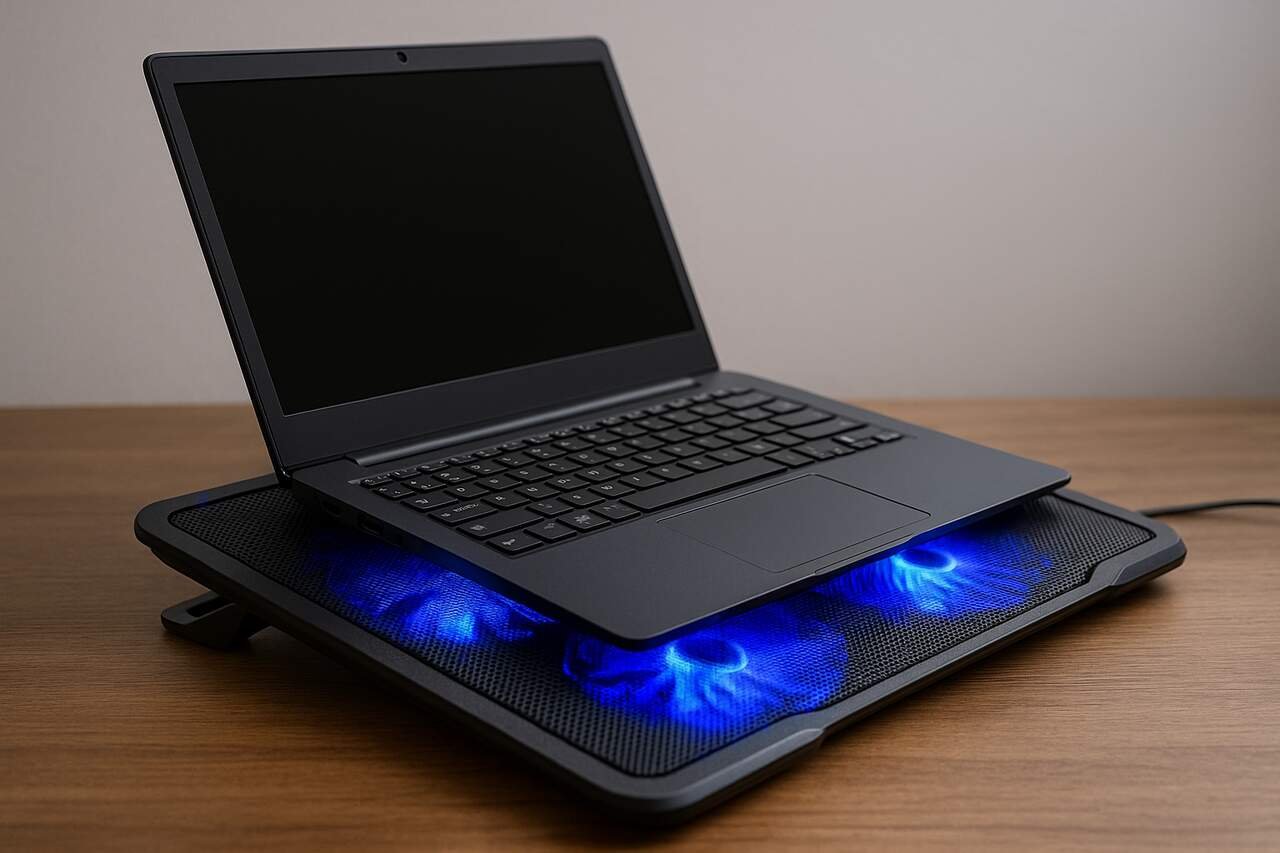
Choosing the best laptop cooling pad helps maintain stable temperatures, extend component lifespan, and improve performance during prolonged workloads. Whether you use a laptop for gaming, editing, designing, or hybrid work, heat buildup can limit efficiency. This guide explains every step involved in selecting, testing, and optimizing the right cooling setup. Each section delivers actionable insights so readers can confidently upgrade their thermal management strategy.
Evaluate Your Laptop’s Cooling Requirements
The first step to choosing the best laptop cooling pad is assessing how your device handles heat during typical workloads. Some laptops run warm even during light browsing, while others only struggle under heavy gaming or rendering. Understanding when and why heat builds up helps you match the correct cooling solution. This ensures you avoid buying a pad that underperforms or offers unnecessary features.
To evaluate your needs, check the typical temperatures your processor and graphics unit reach under load. Use basic temperature monitoring tools to observe spikes and patterns during gaming or multitasking. Take note of the laptop’s vent locations, thickness, and chassis material. Each detail influences the type of cooling pad that will deliver meaningful temperature reductions.
The context of your daily use also plays a major role. A lightweight office laptop may only need a slim pad with a single fan, while performance laptops benefit from multi fan designs. Users who work in warm rooms or on soft surfaces face additional airflow challenges. By analyzing all these variables, you create a clear foundation for choosing the most compatible cooling solution.
Check Internal Heat Sensitivity
Different laptops react to heat in distinct ways. Some throttle performance quickly, while others tolerate higher temperatures before slowing down. Review how your laptop behaves under load so you can anticipate the cooling strength required.
Identify External Airflow Obstacles
Room temperature, desk height, carpeted surfaces, and placement near walls all affect airflow. Understanding these restrictions helps you pick a pad that compensates for environmental challenges.
Choose the Correct Cooling Pad Size and Fit

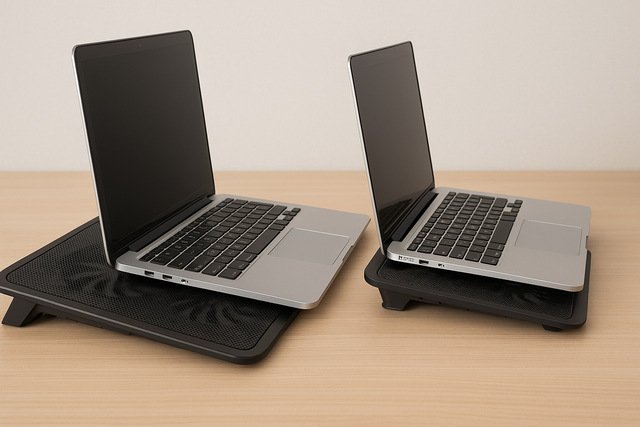
Once you understand your temperature needs, the next step is selecting the proper size. A cooling pad that fits the laptop precisely optimizes airflow. Overly small pads block vents while oversized ones misalign fans and reduce efficiency. The best laptop cooling pad ensures full support and adequate ventilation without creating gaps or instability.
Measure your laptop’s dimensions and compare them with the cooling pad’s specifications. Check whether your device is 13, 15, 16, or 17 inches. Manufacturers often label pads according to laptop class, but actual measurements matter more than the advertised size. Confirm fan placement lines up with your intake vents for direct airflow.
A proper fit also prevents accidental sliding, which can disrupt cooling and create discomfort while typing. Tight alignment reduces vibration noise and increases heat dissipation. Combined with proper elevation, a perfectly sized pad enhances both ergonomics and performance, especially during long work sessions.
Match Fan Alignment With Intake Zones
Laptop intake vents sit beneath the chassis. Aligning the cooling pad fans under these zones ensures direct airflow reaches essential components like the processor and graphics system.
Confirm Stability on Different Surfaces
Check how the pad sits on desks, beds, or lap surfaces. A stable structure reduces movement during typing and allows consistent air circulation.
Compare Fan Types and Airflow Capabilities
The best laptop cooling pad balances fan strength, noise levels, and airflow direction. Pads typically feature one large fan, multiple smaller fans, or a combination of both. Each configuration influences cooling performance and acoustic output. Evaluating these variations helps you select a model that suits your environment and personal preferences.
Large single fans offer smooth airflow with quieter operation. They work well for general usage and moderate gaming. Multiple smaller fans provide targeted cooling and adjustable zones, ideal for laptops with several vent points. High airflow ratings benefit gaming laptops and workstations that reach extreme temperatures. The tradeoff is increased noise.
Consider the airflow measurement, usually given in cubic feet per minute. Higher airflow indicates stronger cooling potential. Adjustable fan speed controls offer more flexibility by letting users balance noise and performance depending on workload. This becomes valuable when switching between heavy and light tasks during the day.
Evaluate Noise Levels During Full Load
Some pads remain quiet at low speeds but become loud during peak airflow. Check the decibel rating to ensure comfortable long term use in quiet environments.
Look for Multi Zone Cooling Options
Multi fan designs allow individual control over specific areas. This is helpful if your laptop has multiple hotspots or if you want focused pressure around the center or rear vents.
Review Build Materials and Structural Durability
The strength and construction quality of a cooling pad directly impact long term performance. A well made pad of metal mesh or aluminum increases heat dissipation and airflow stability. Plastic designs may be lighter or cheaper but sometimes warp under extended heat exposure. Choosing the right material ensures consistent performance throughout the pad’s lifespan.
Metal mesh provides excellent ventilation and distributes airflow evenly. Aluminum plates often help dissipate heat themselves, supporting cooling efficiency. Hard plastic builds are durable and lightweight, ideal for portability, though not always optimal for heavy gaming loads. Rubber grips increase friction, preventing the laptop from slipping.
In addition to materials, structural design matters. Look for reinforced frames, adjustable stands, and solid joints that support weight distribution. A sturdy structure keeps the laptop level and reduces vibrations from fans. This ensures better typing comfort and continuous airflow without shaking or rattling.
Inspect Frame Strength and Joints
Reinforced edges and sturdy hinges prevent collapse or wobbling. Strong structural components ensure the pad remains stable even under heavy laptops.
Evaluate Mesh Density and Air Distribution
A dense metal mesh allows smoother airflow while preventing dust buildup. Consistent mesh patterns help fans push air evenly toward your device.
Use Ergonomic Adjustments to Improve Comfort and Cooling
Cooling pads with adjustable height positions offer significant ergonomic benefits. Elevation improves airflow by lifting the back of the laptop while creating a natural typing angle. This reduces wrist strain and promotes longer comfortable working sessions. When airflow increases, temperatures drop more effectively, improving overall performance.
Some cooling pads include five or more adjustable levels. Higher angles benefit gaming or watching videos, while lower angles support typing and office work. The tilt affects how efficiently heat escapes from the laptop’s underside. An elevated position allows warm air to leave without obstruction.
The ergonomics of the pad also influence external factors like posture, eye level, and desk spacing. A properly adjusted pad can reduce neck strain and enhance productivity. Combined with high performance fans, ergonomic elevation transforms both comfort and thermal output, making this an essential element when selecting the best cooling pad.
Test Multiple Viewing Angles
Experiment with different elevation levels to find one that balances airflow and viewing comfort. This is especially important if you use your laptop for long hours.
Ensure Wrist Friendly Tilt Options
Pads with gentle forward slopes reduce strain during extended typing sessions. This improves comfort while allowing air to travel smoothly through the underside.
Analyze Special Features and Performance Enhancements
Modern cooling pads offer several advanced features that enhance usability. These include RGB lighting, USB passthrough ports, display panels, and smart temperature controls. While not essential, these add ons can improve convenience or help personalize your workspace. Selecting the right combination ensures an optimized setup that matches your needs.
USB passthrough hubs allow you to plug additional devices without sacrificing your laptop’s existing ports. Fan speed controllers give more control over cooling intensity. Some pads include small screens displaying temperature, fan speed, or airflow metrics. RGB lighting adds visual style, especially for gaming environments.
These features should complement, not overpower, the core purpose of the cooling pad. Excessive lighting or unnecessary components can increase power consumption without improving cooling. Focus on features that improve control, compatibility, or productivity. Prioritizing functional upgrades ensures the pad enhances your workflow while stabilizing temperatures.
Check Power Requirements and USB Compatibility
Many cooling pads draw power through USB. Confirm whether your laptop supports sufficient output and whether the pad includes passthrough options.
Evaluate Lighting and Control Settings
If you prefer a quiet workspace, choose pads with subtle lighting or the ability to disable effects. Those who enjoy customization may prefer multi color modes.
Test and Optimize Cooling Performance After Setup
After choosing the best laptop cooling pad, the final step is optimizing and testing performance. Place the laptop on the pad and measure temperature changes before and after using monitoring software. This shows whether the pad aligns correctly with intake vents and whether fan speed adjustments affect cooling. Testing ensures you maximize the pad’s potential.
Rotate the laptop slightly to check whether airflow changes. Small adjustments often create noticeable differences in performance because even slight misalignment may block air. Observe noise levels during high fan speeds to ensure long term comfort. If temperatures remain high, increase elevation or adjust fan placement.
Continuous optimization helps maintain stable performance. Clean dust from the pad periodically to prevent obstructions. Temperature behavior may change across seasons, so re evaluating performance in different environments ensures continued efficiency. A well tuned cooling setup provides lasting comfort, quieter operation, and consistent hardware temperatures.
Compare Temperature Logs Before and After Use
Tracking temperature differences reveals the pad’s effectiveness. Compare results under identical workload conditions for accurate assessment.
Adjust Fan Speed and Laptop Positioning
Minor placement changes often improve airflow. Test several angles and speed settings to find the most effective cooling combination.
Comparison: Cooling Pad Types
| Cooling Pad Type | Strengths | Best For | Typical Fan Layout |
| Single Fan | Quiet operation and smooth airflow | Office laptops and moderate use | One large center fan |
| Multi Fan | High airflow and customizable zones | Gaming and editing laptops | Four to six smaller fans |
| Metal Mesh | Strong airflow distribution and durability | Long sessions and hot climates | Variable |
| Adjustable Ergonomic Pad | Comfort and typing angle support | Work and study setups | One or multiple fans |
Performance Tier
| Performance Tier | Features Included | Ideal Laptop Category | Noise Level |
| Entry Tier | Basic fans, simple frame, USB powered | Light office laptops | Very quiet |
| Mid Tier | Multiple fans, adjustable tilt, stronger airflow | Mid performance laptops | Moderate |
| High Tier | Smart controls, RGB options, heavy airflow | Gaming and workstation devices | Higher but adjustable |
Conclusion
Finding the best laptop cooling pad requires understanding your device’s temperature behavior, selecting the right size, evaluating airflow, and choosing durable materials. Ergonomic adjustments and performance enhancing features further improve comfort and efficiency. When tested and optimized correctly, a cooling pad enhances laptop performance, extends component life, and allows smoother work or gaming sessions. A well matched pad becomes an essential accessory for anyone who relies on their laptop for demanding daily use.
Explore more insightful and valuable content on our blog journalingtechniques! Stay updated with helpful tips, expert advice, and in-depth articles that enhance your knowledge.
FAQ’s
Match the pad’s dimensions to your laptop’s size category and ensure fan placement aligns with intake vents for optimal airflow.
Yes, by reducing thermal throttling, a cooling pad can help maintain stable frame rates and smoother gameplay during long sessions.
Metal pads generally offer better heat dissipation and durability, while plastic pads can be lighter and more portable.
For gaming or video editing, pads with four or more fans usually deliver the strongest airflow and targeted cooling.
Most pads add some noise, but fan speed controls help balance cooling strength with comfortable sound levels.
Cleaning every two to four weeks prevents dust buildup and ensures consistent airflow.


